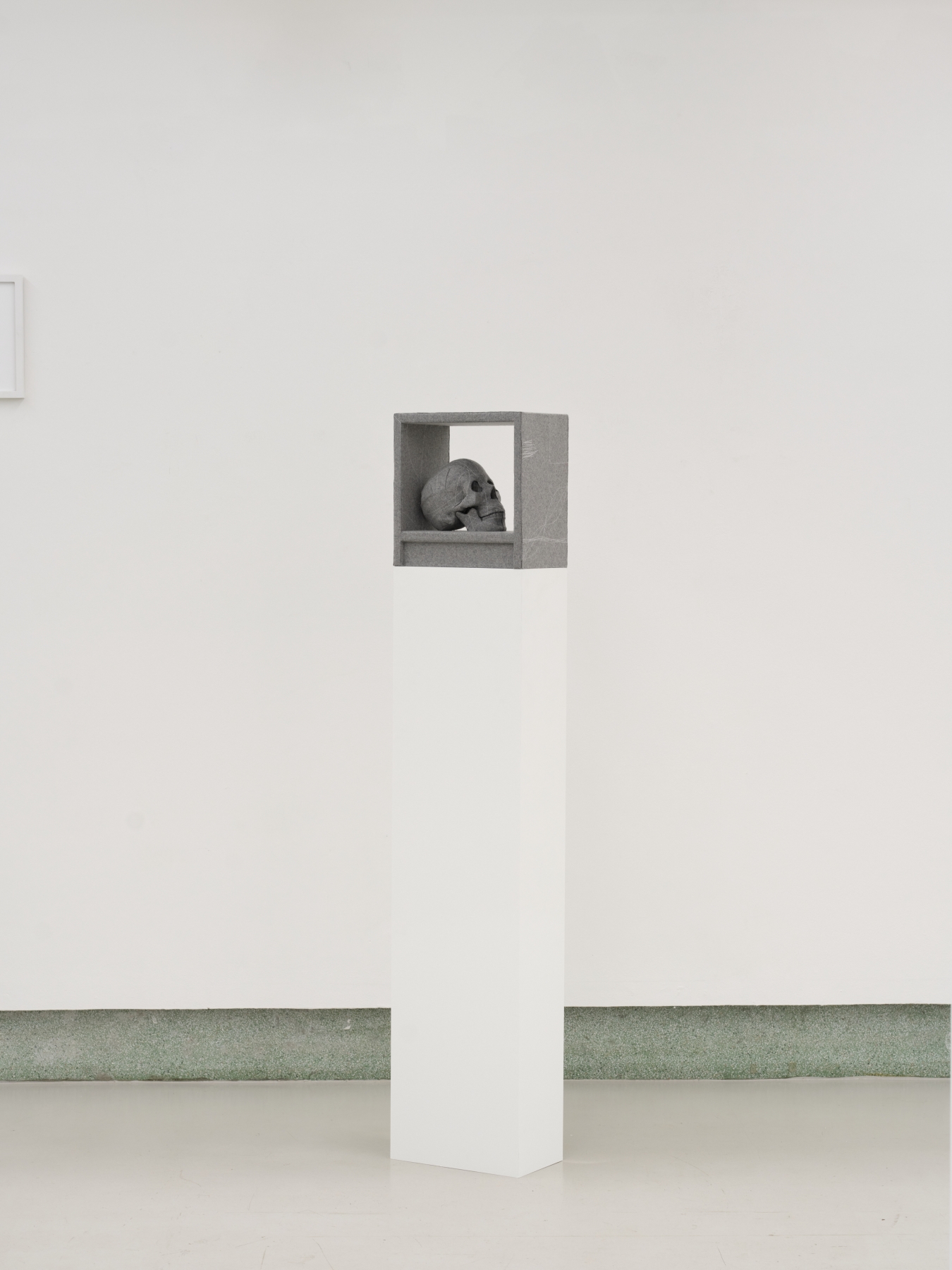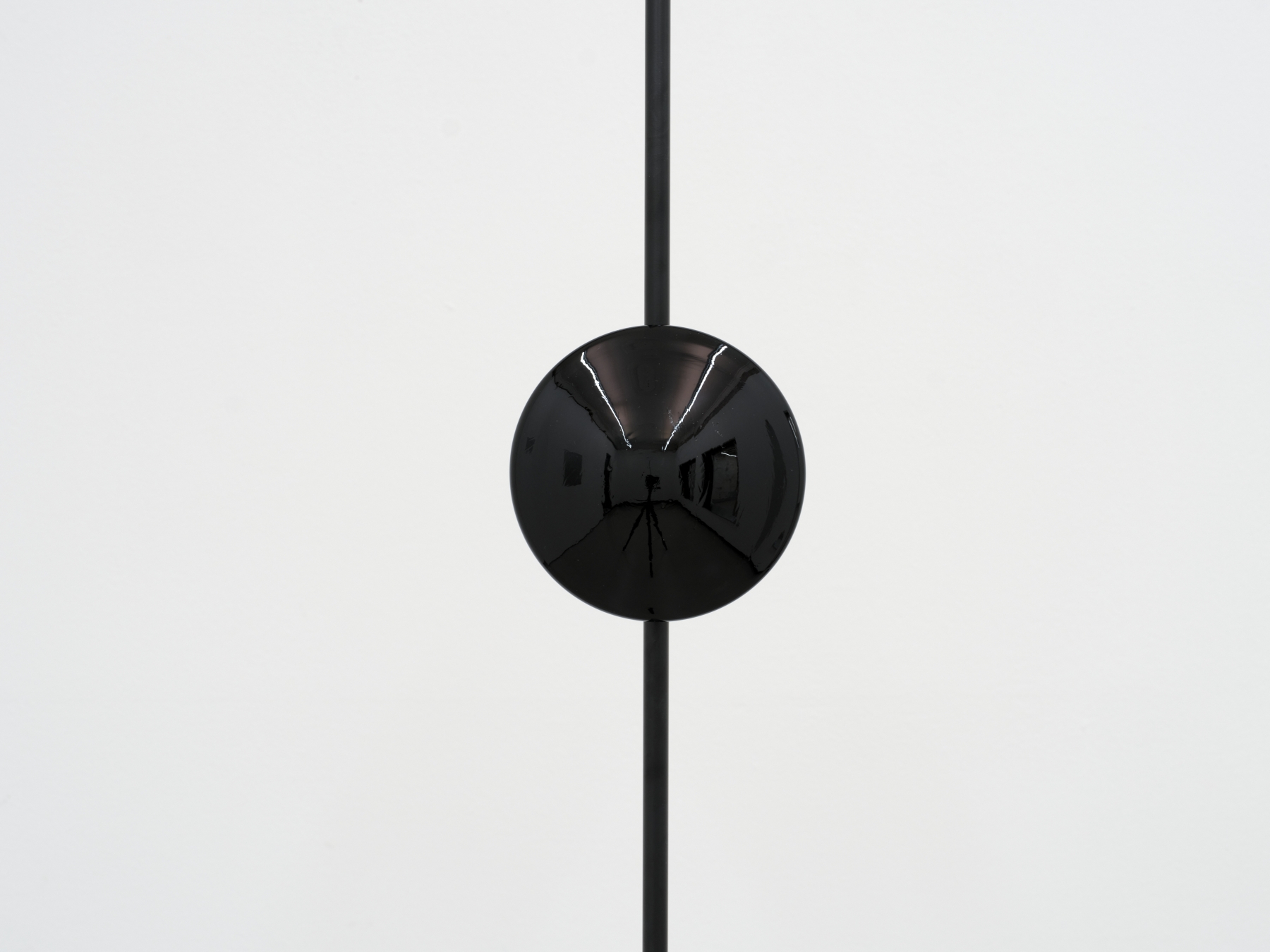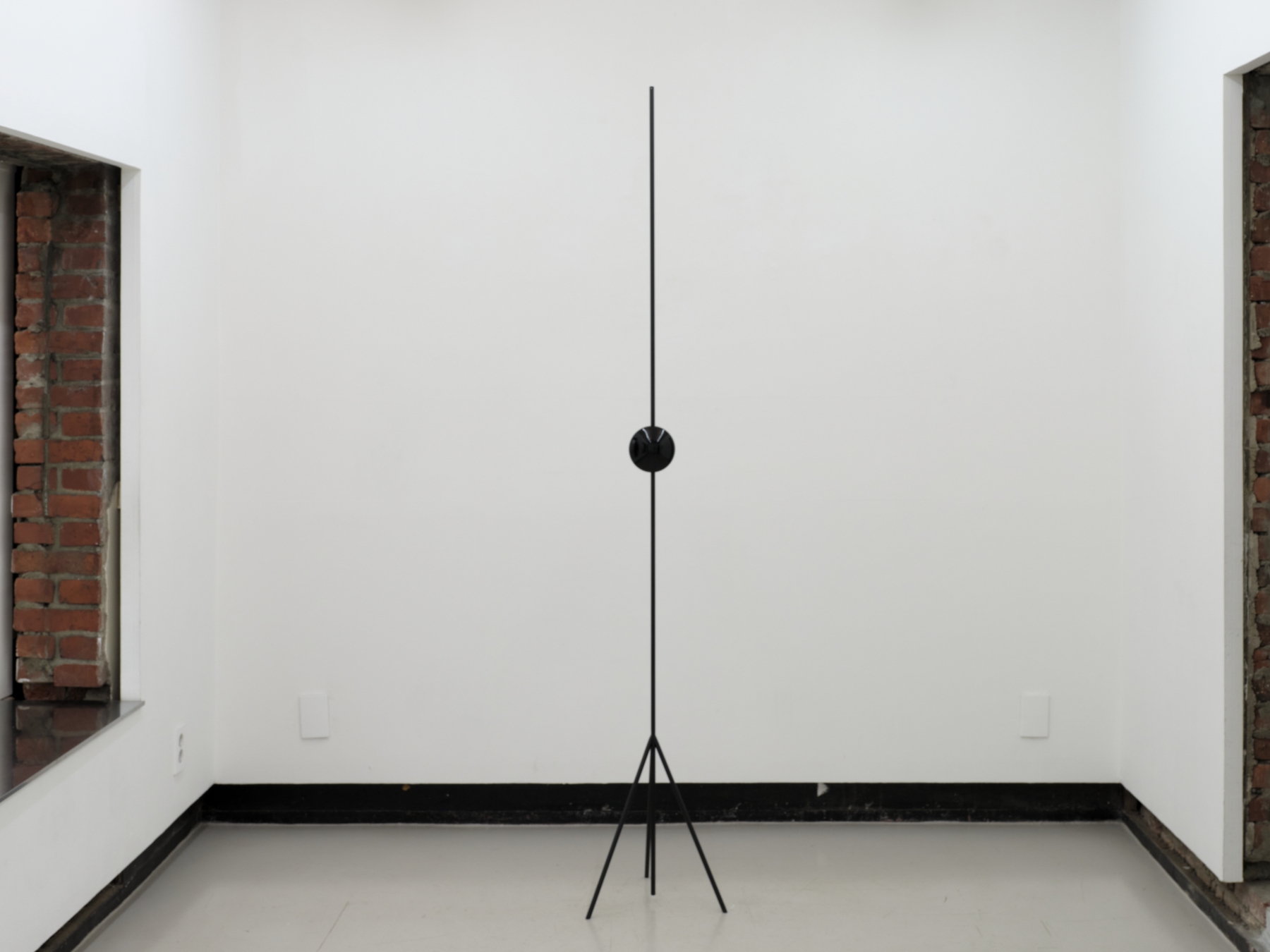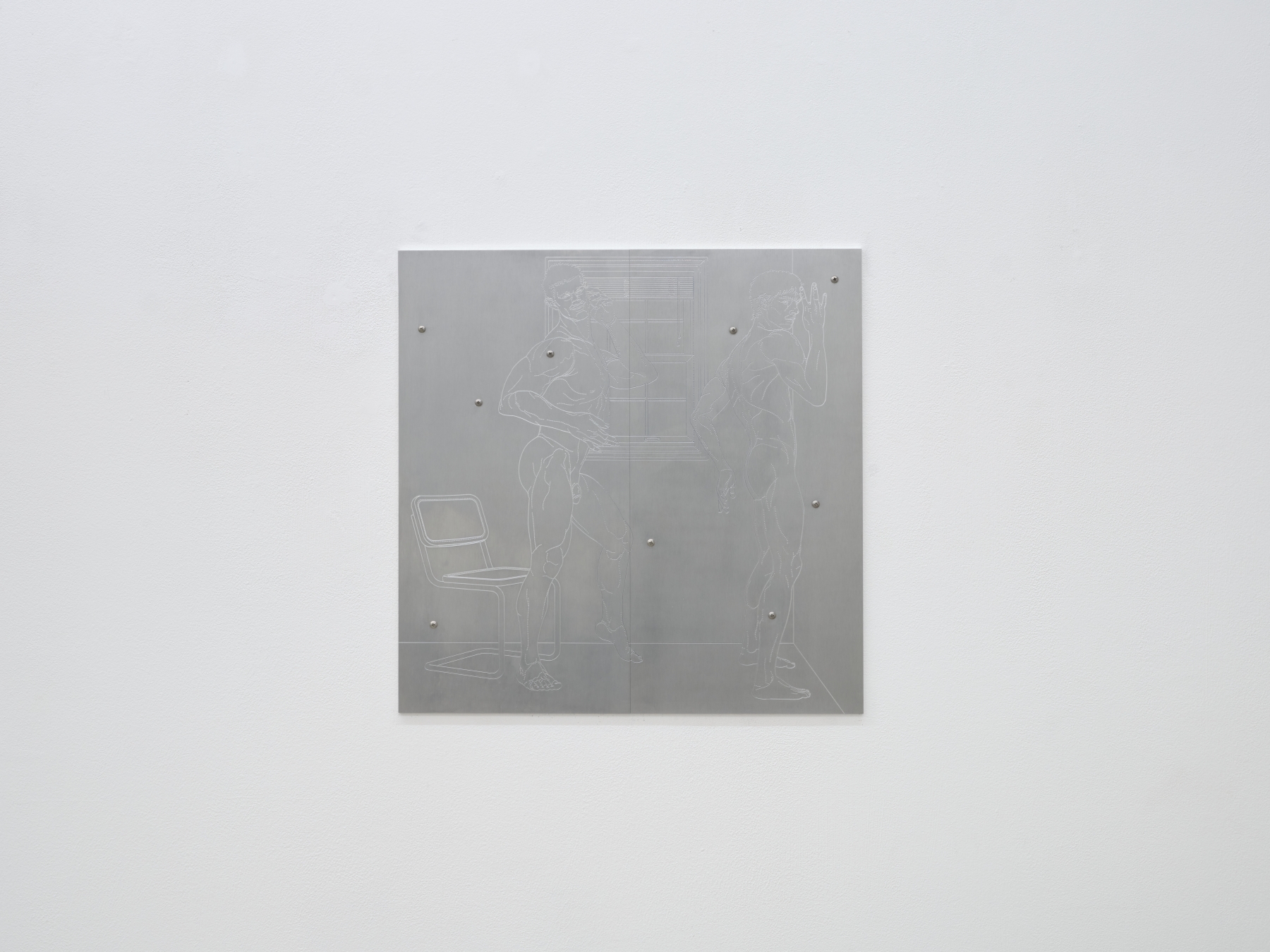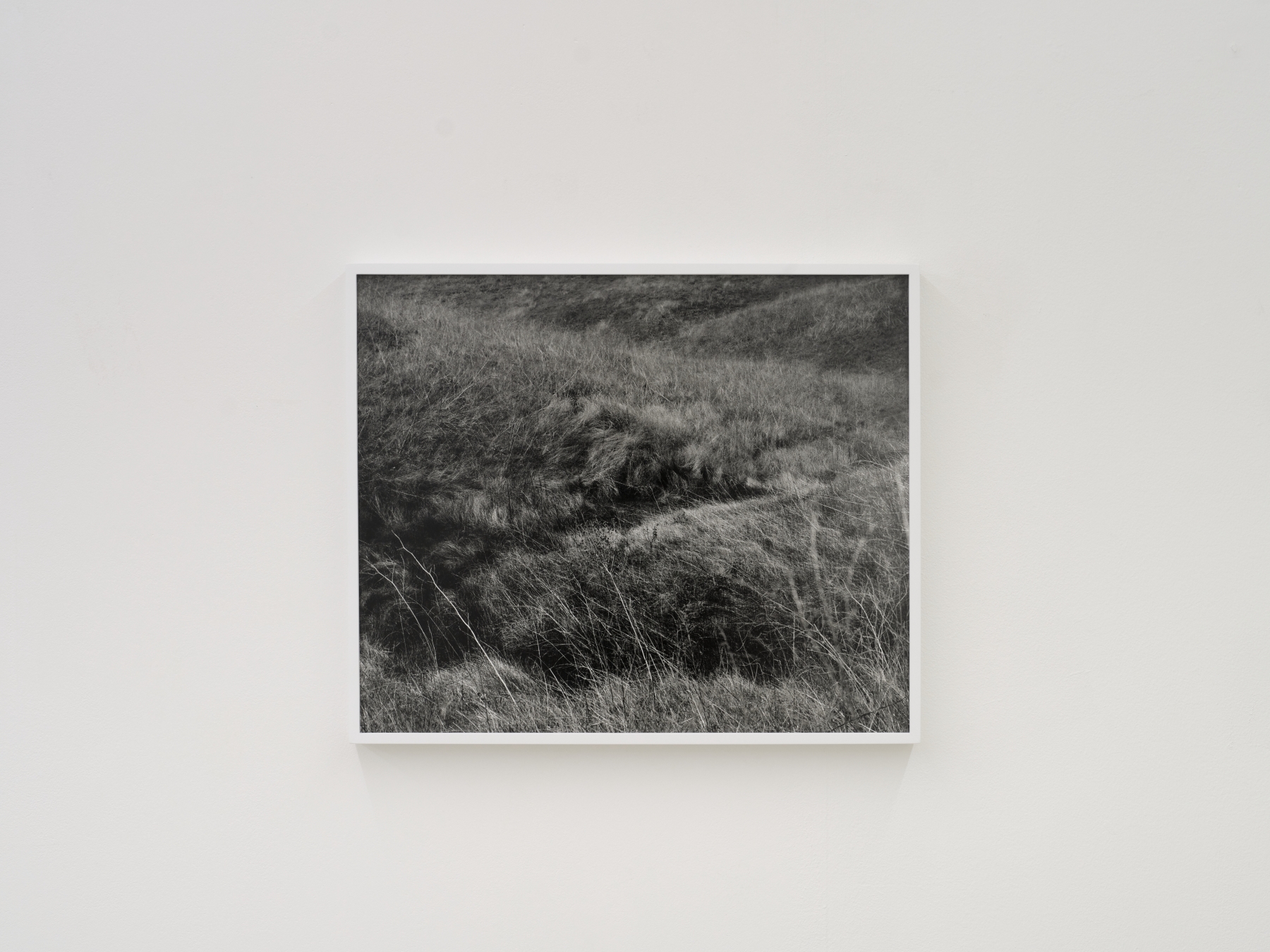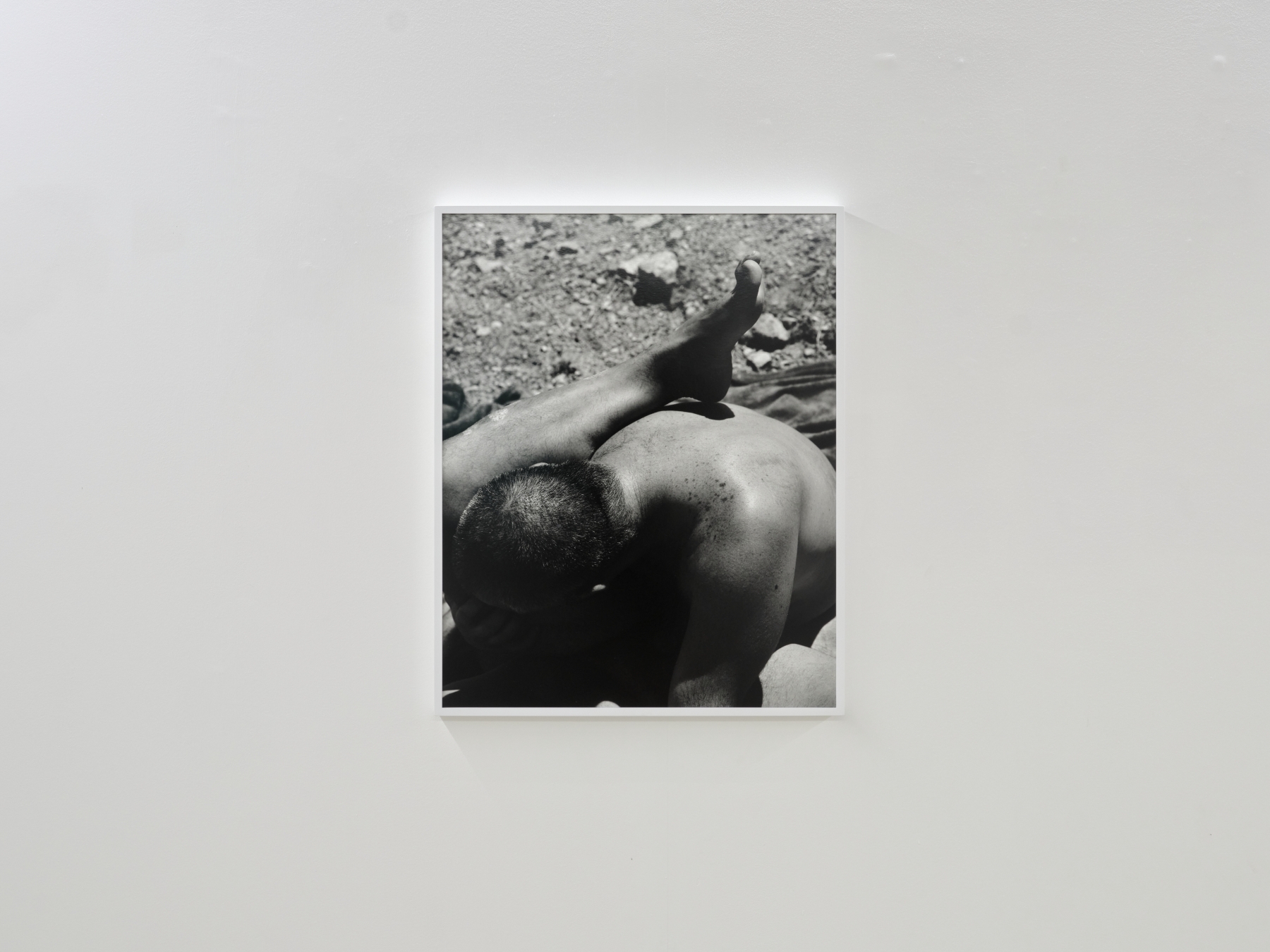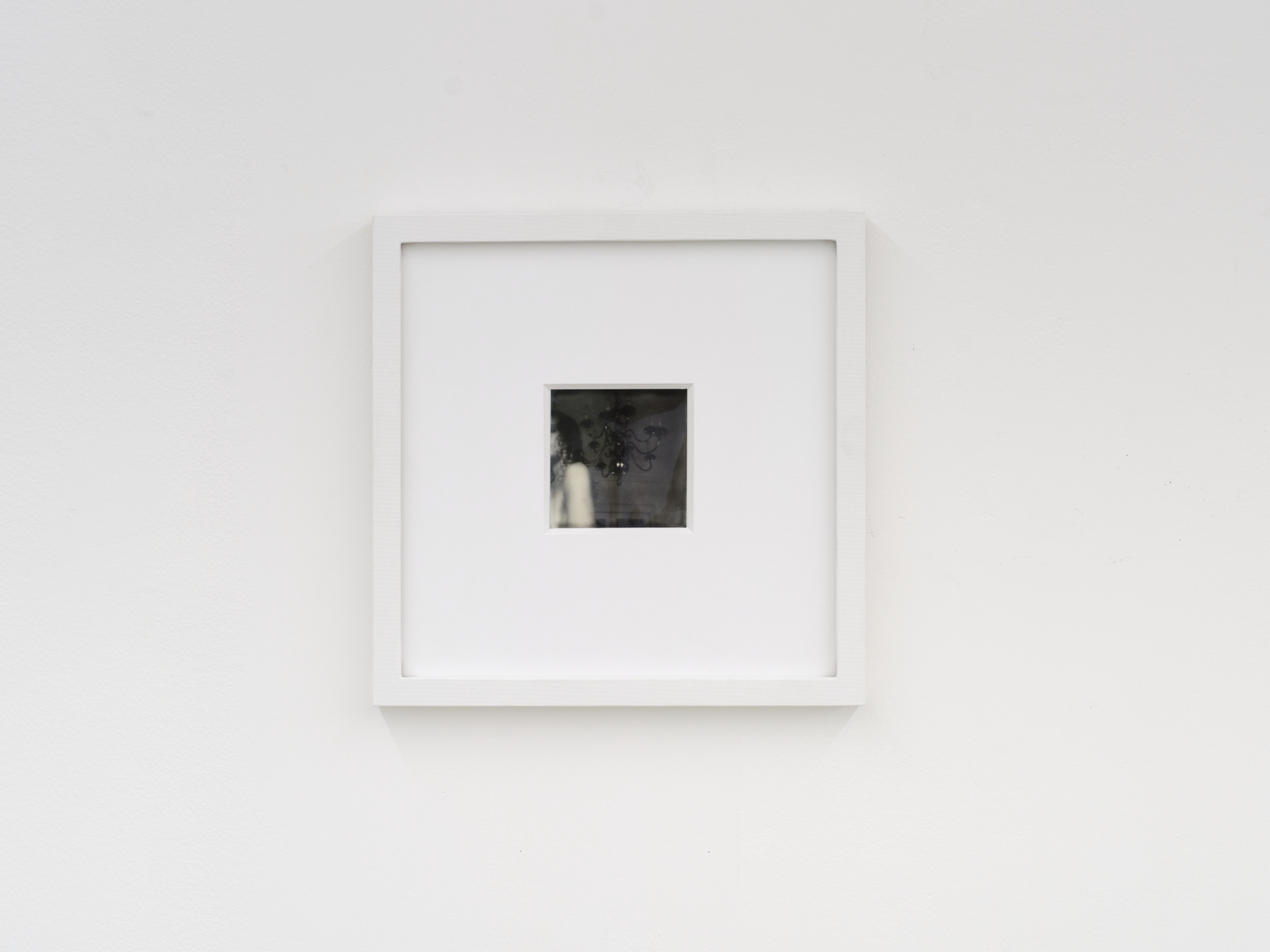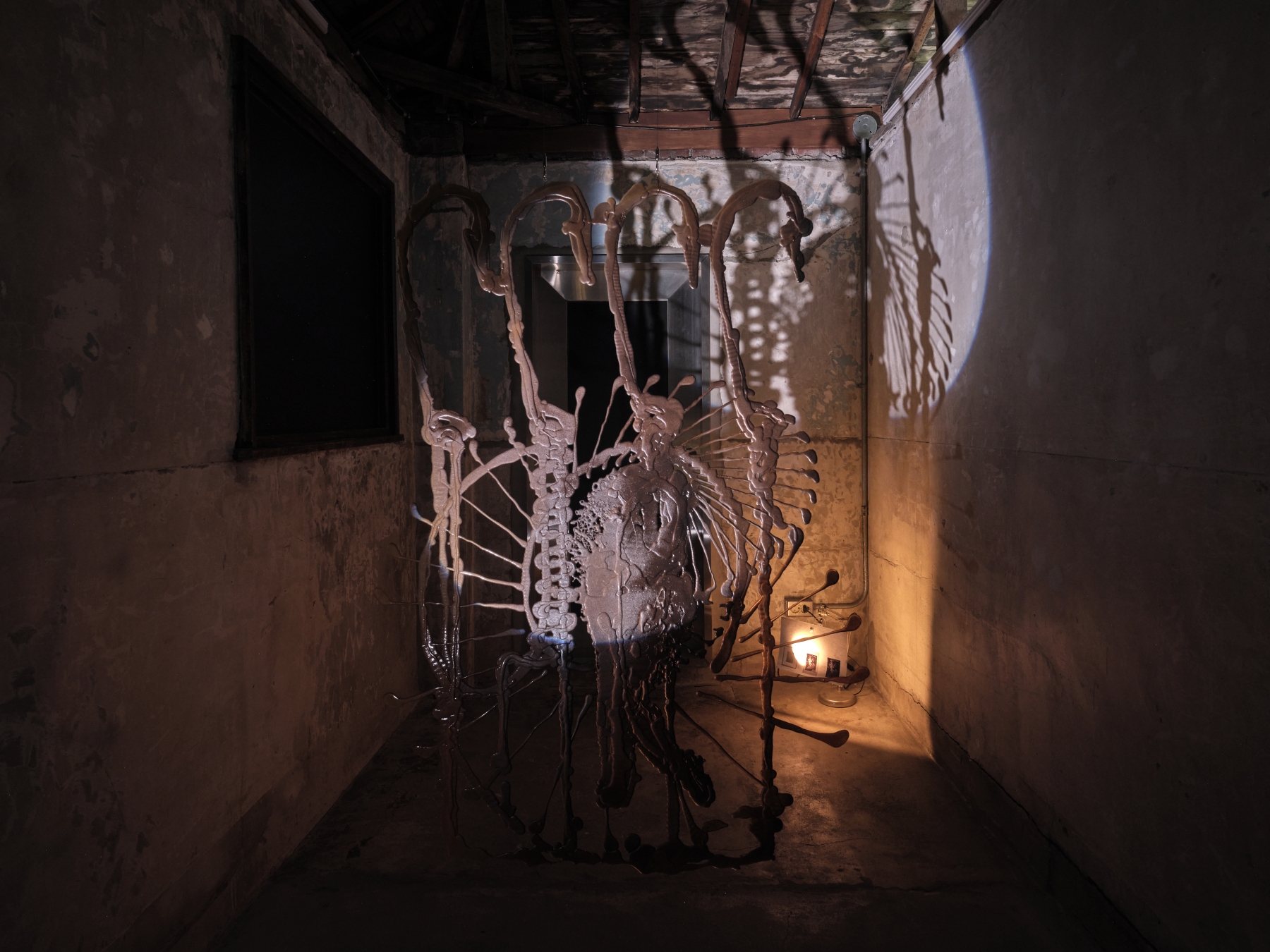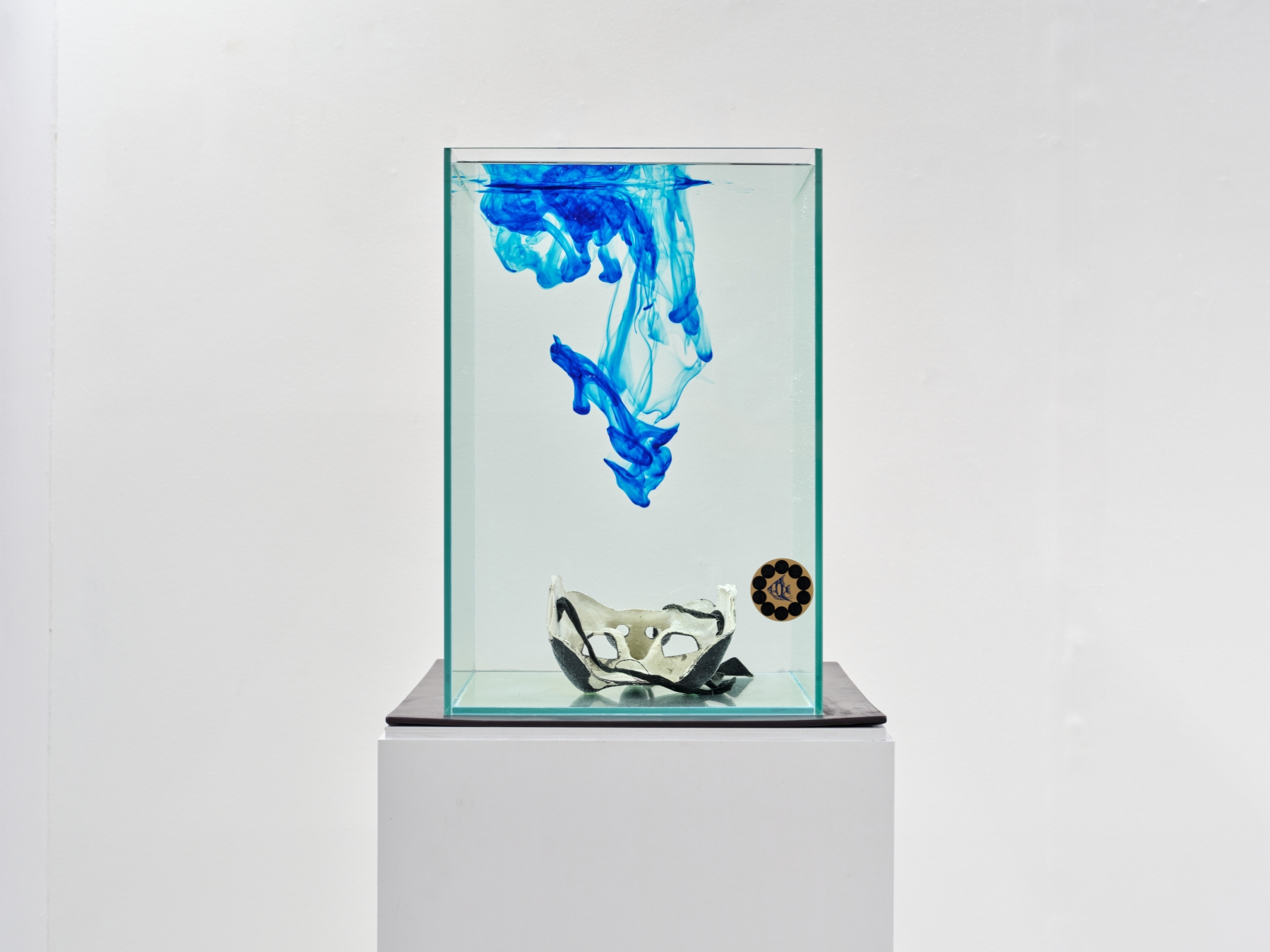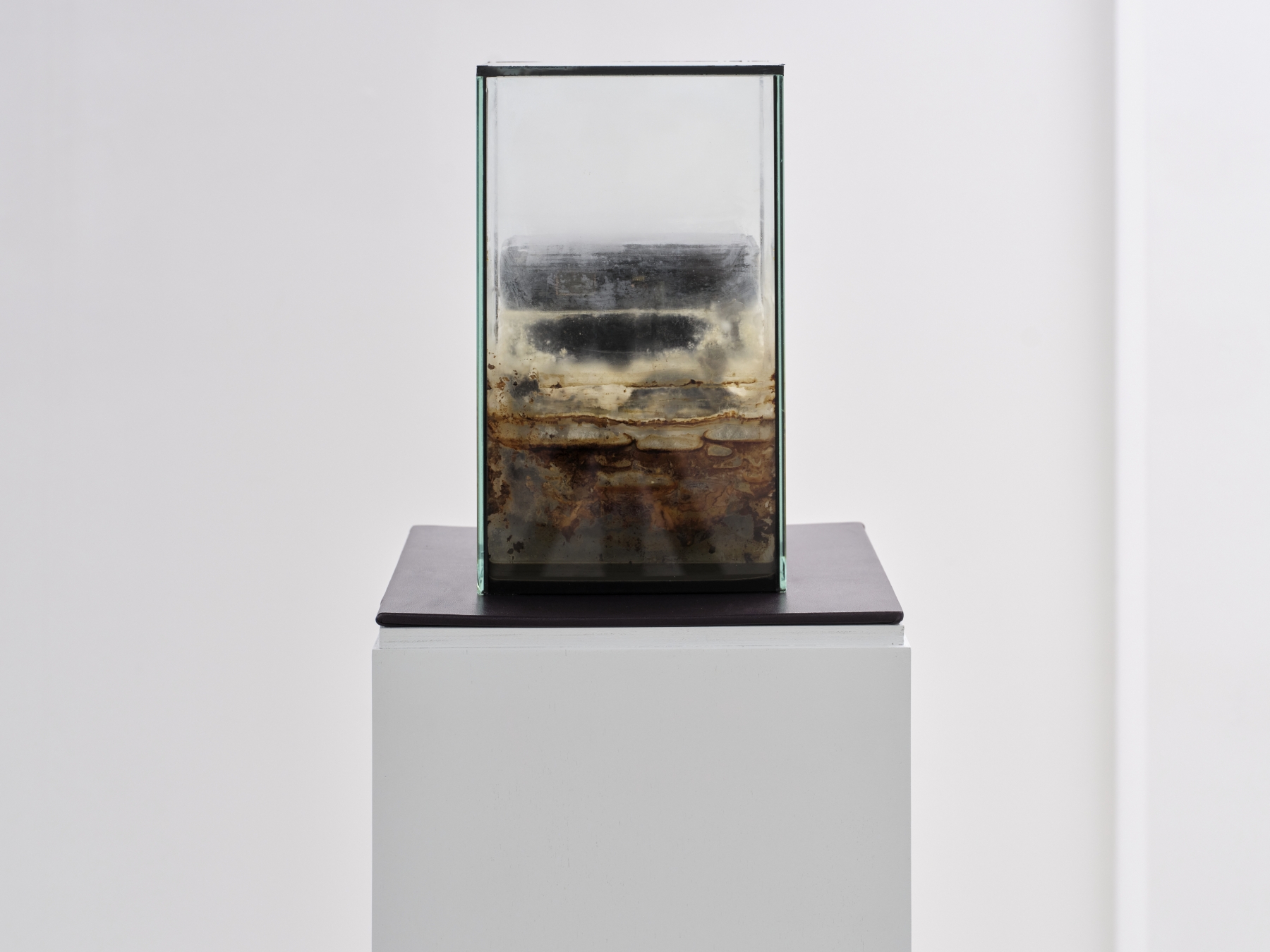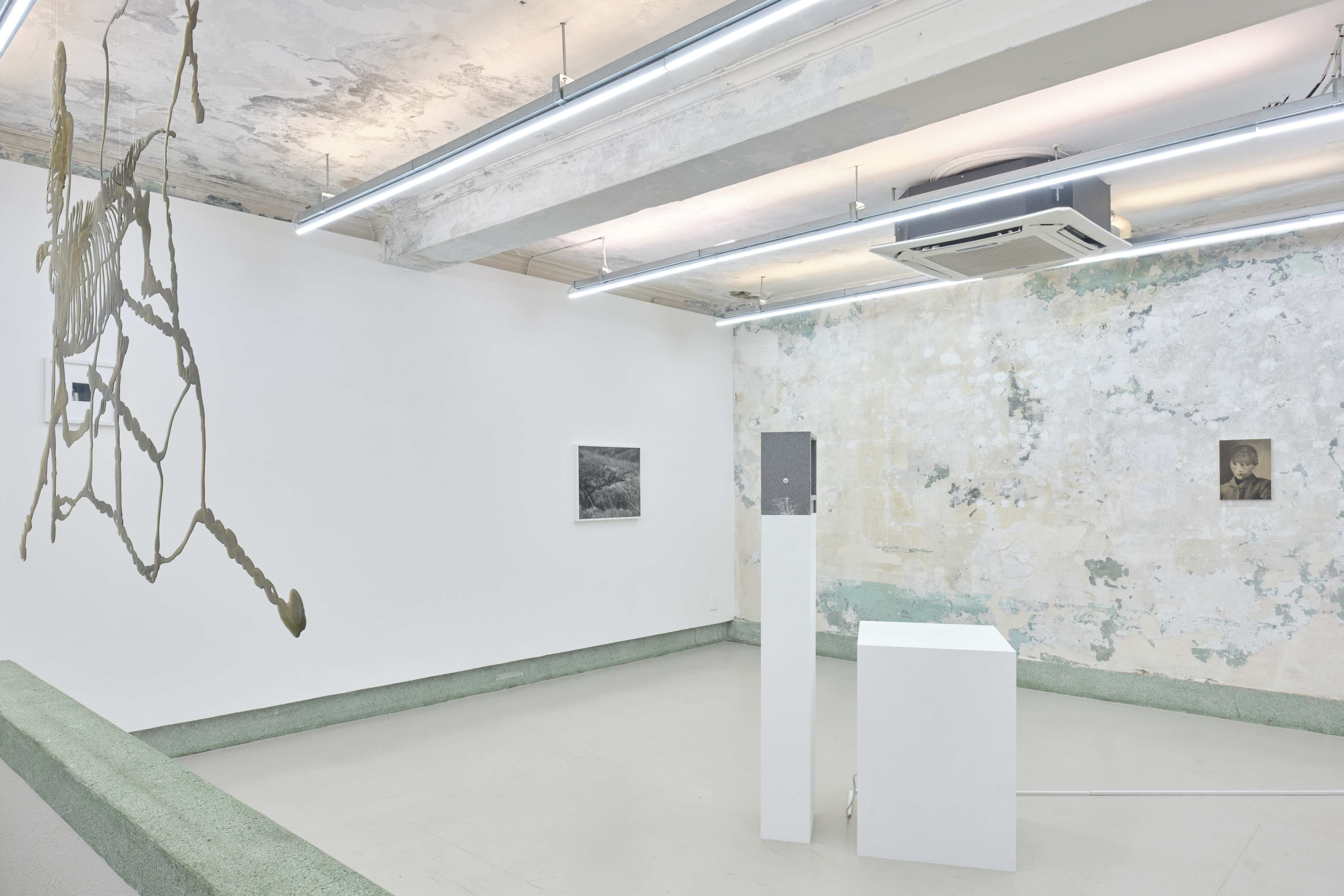
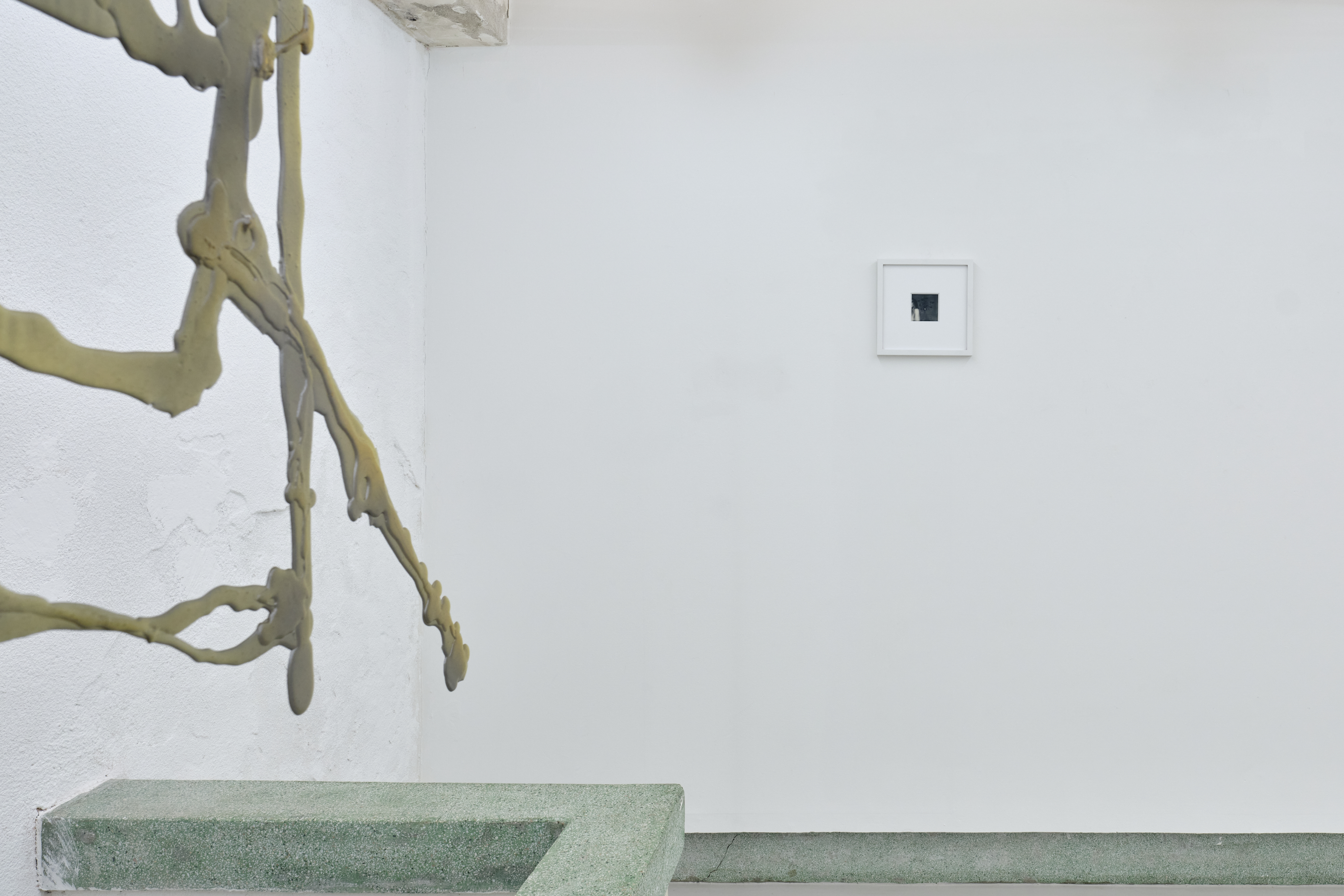
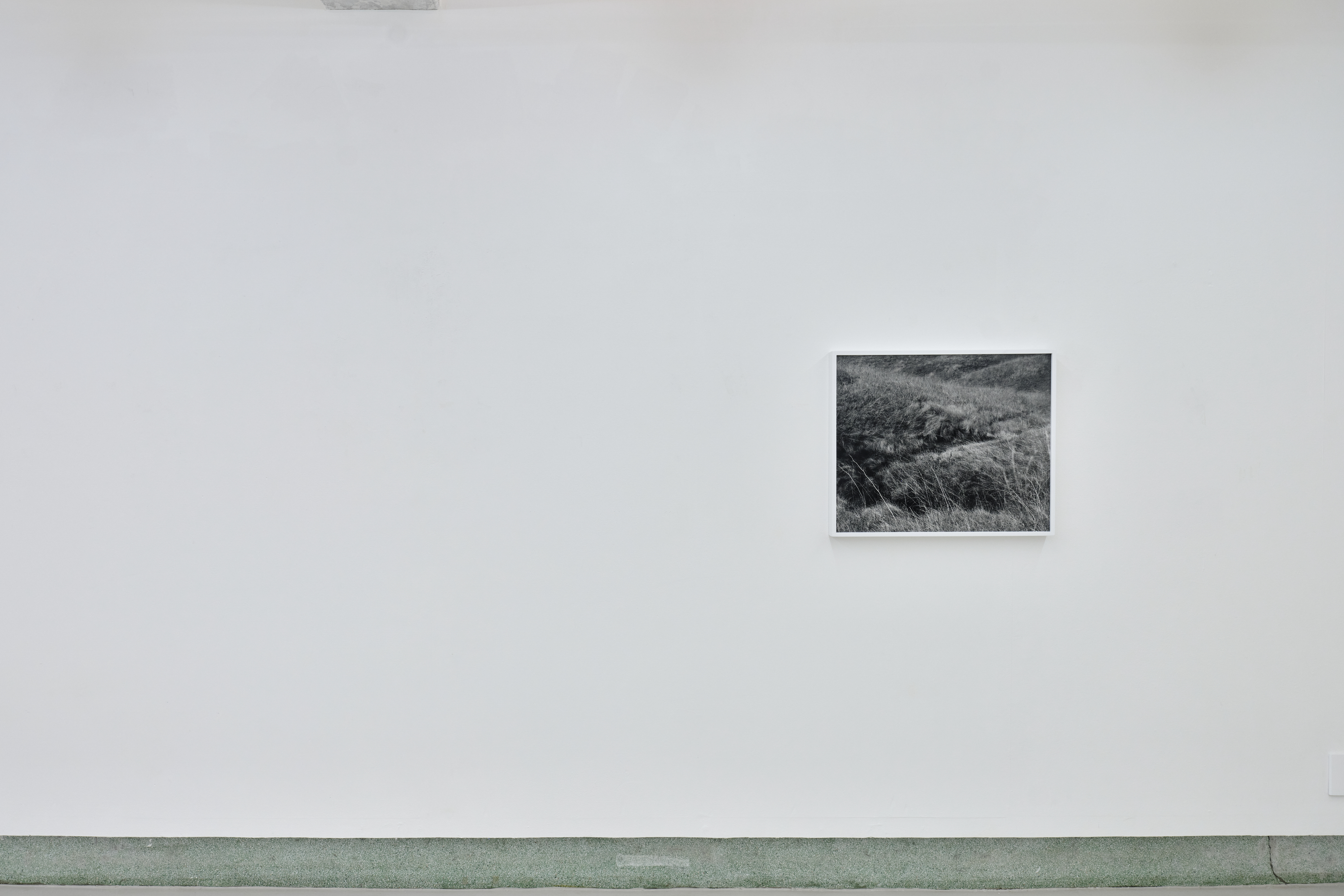
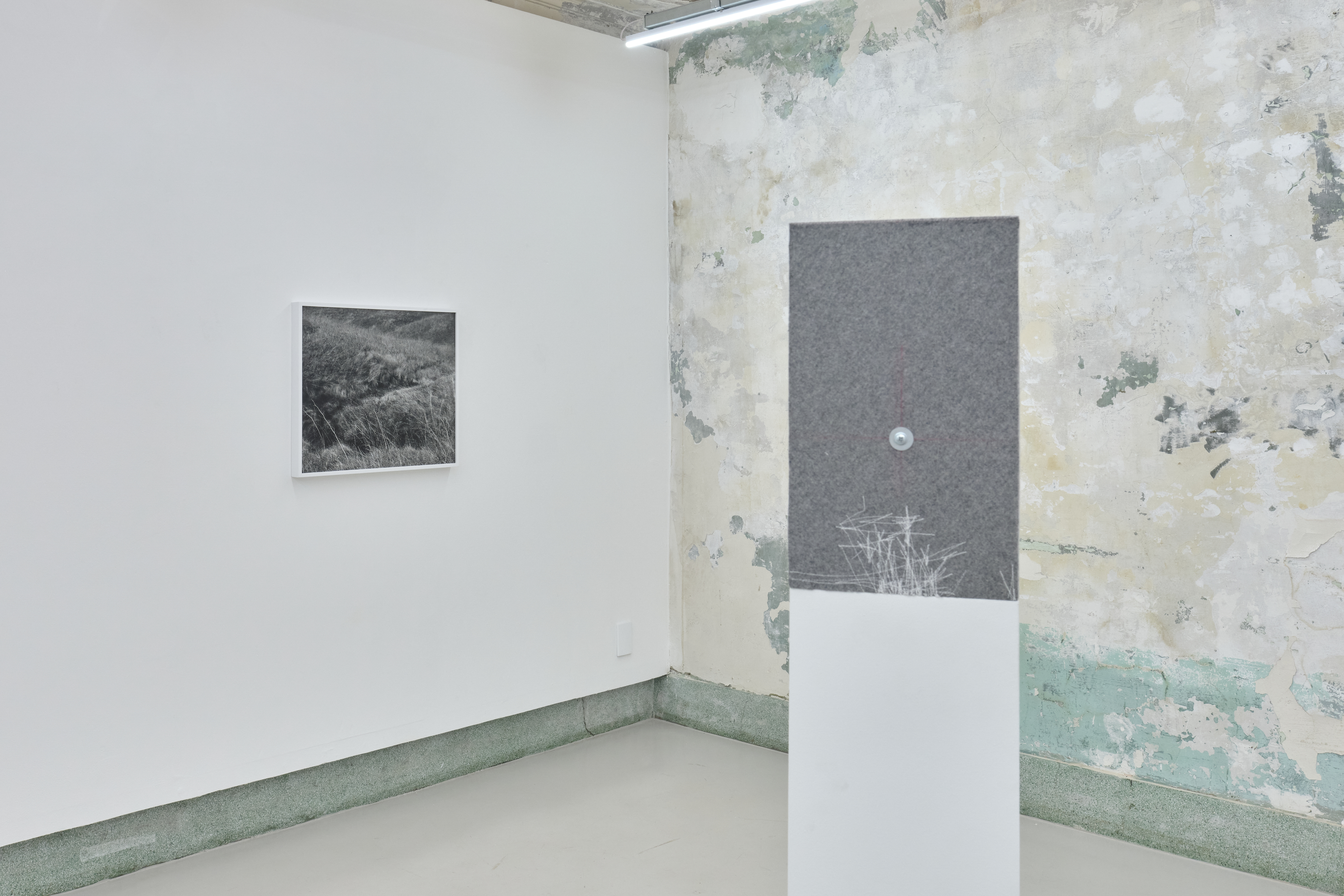
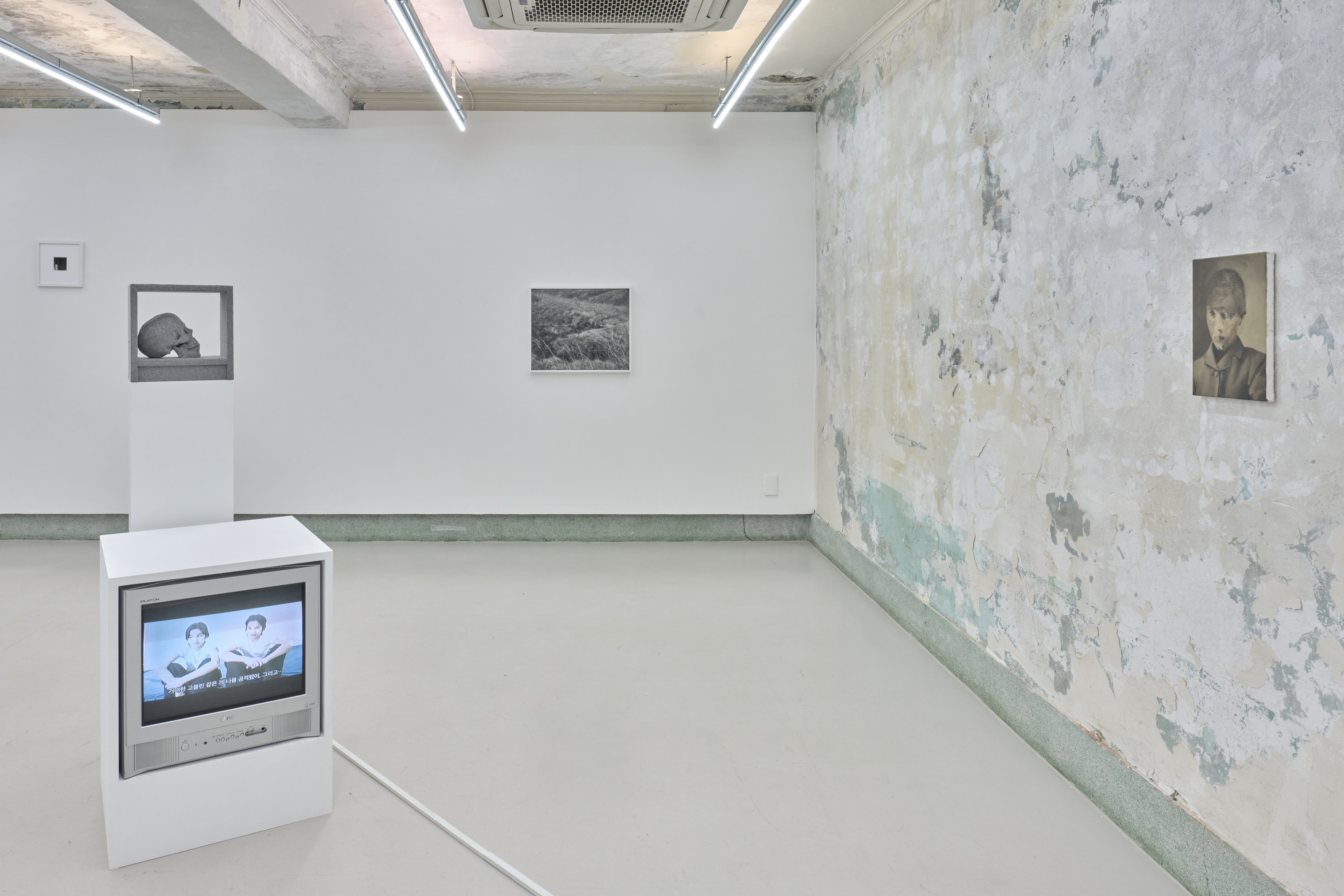
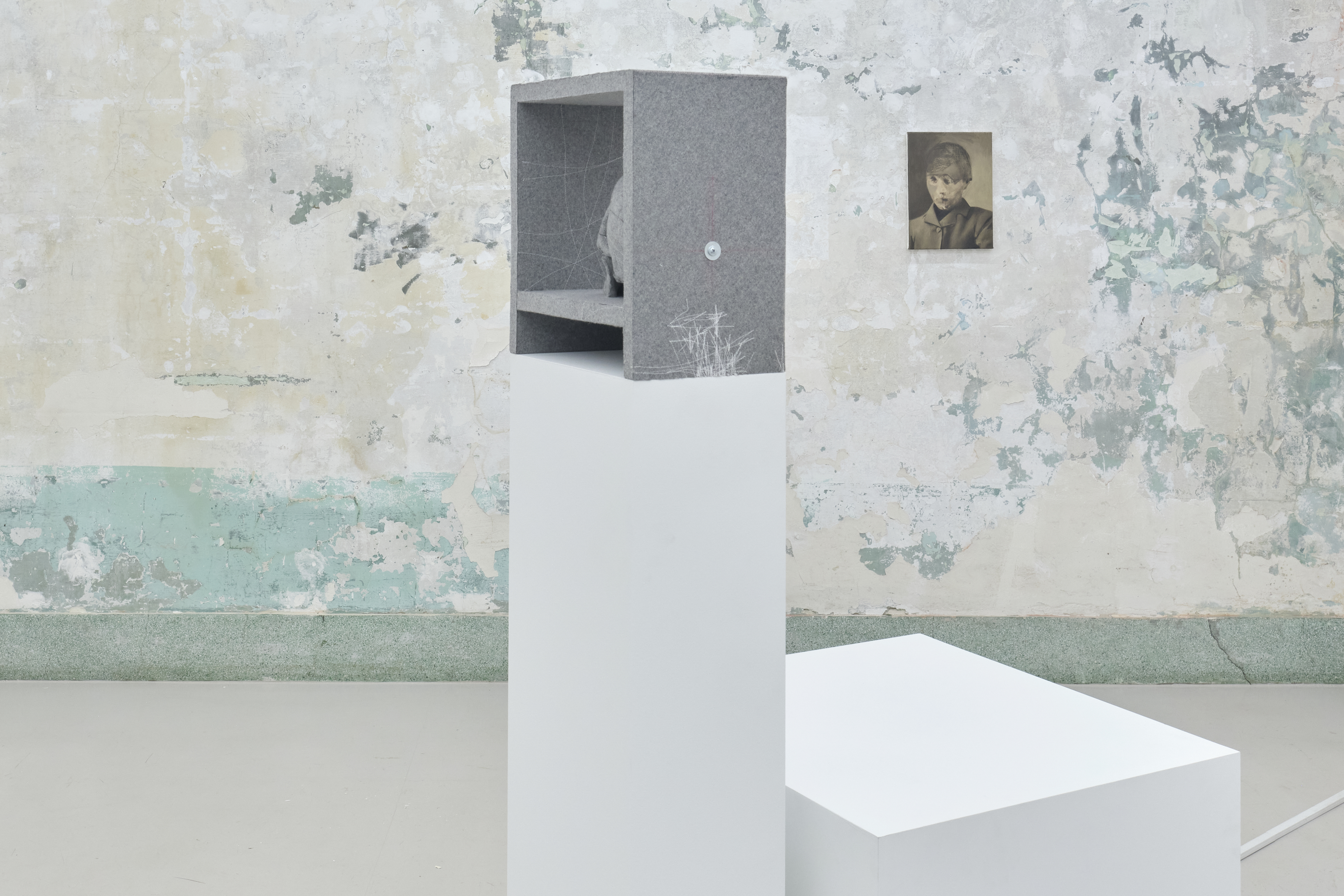
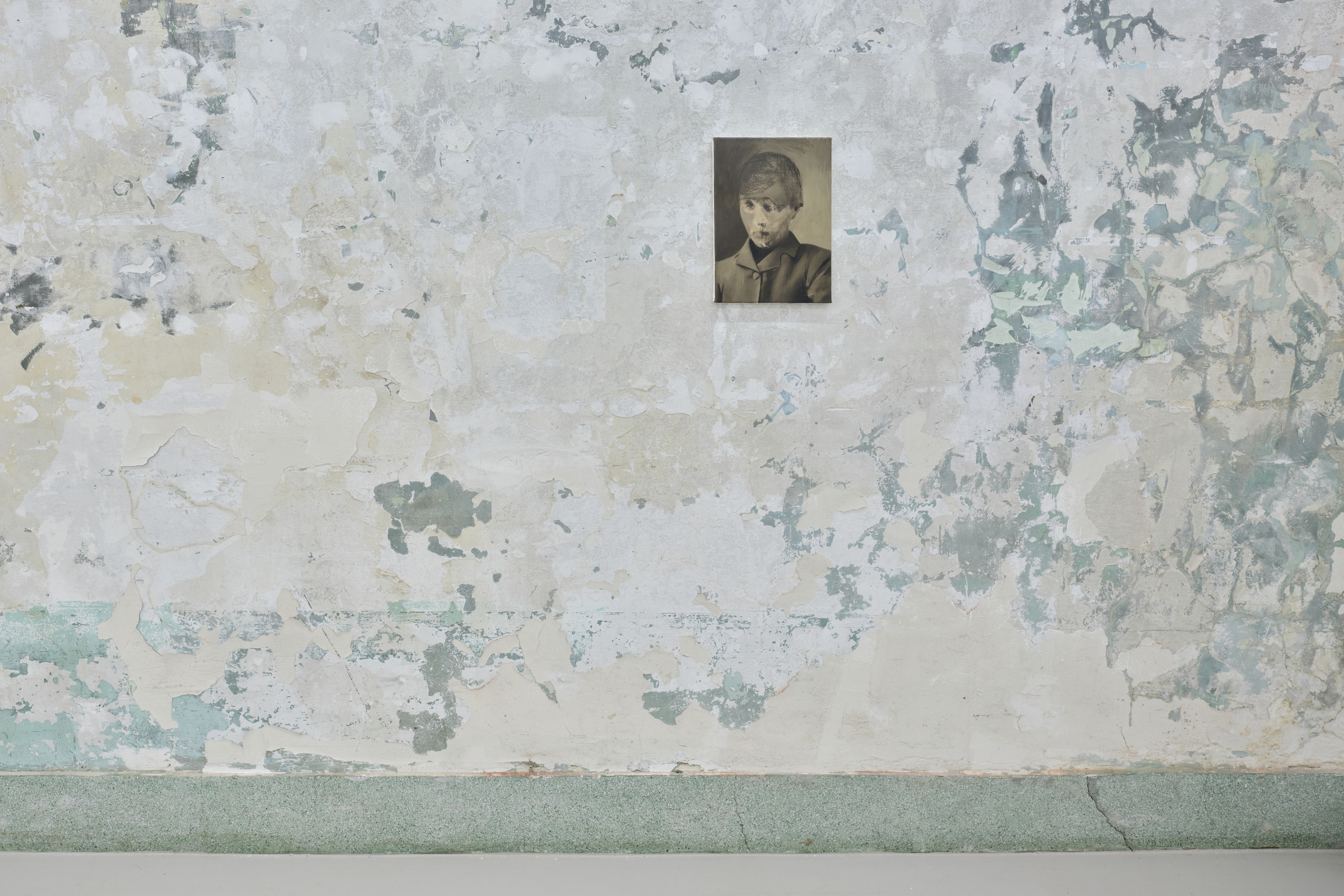
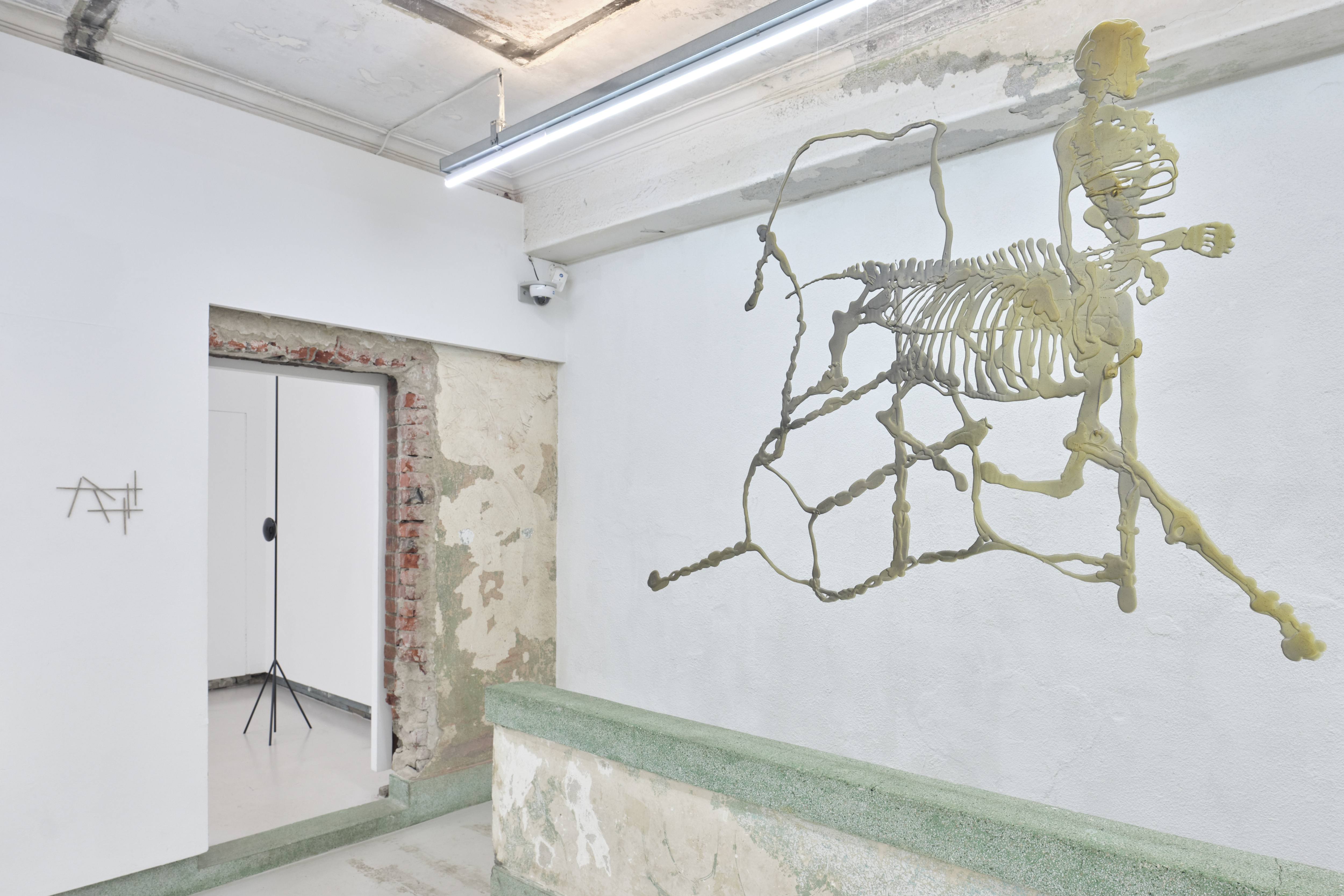
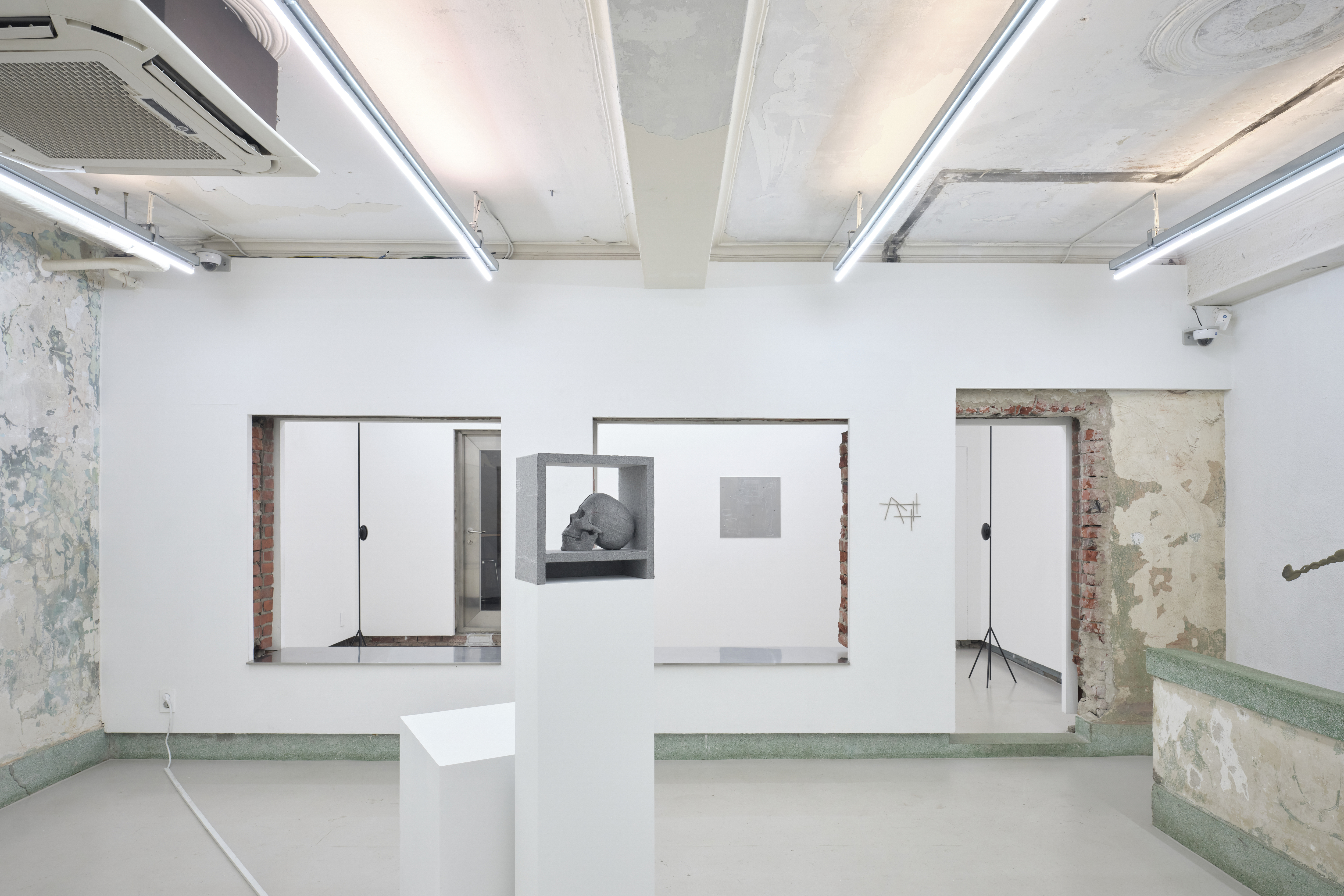
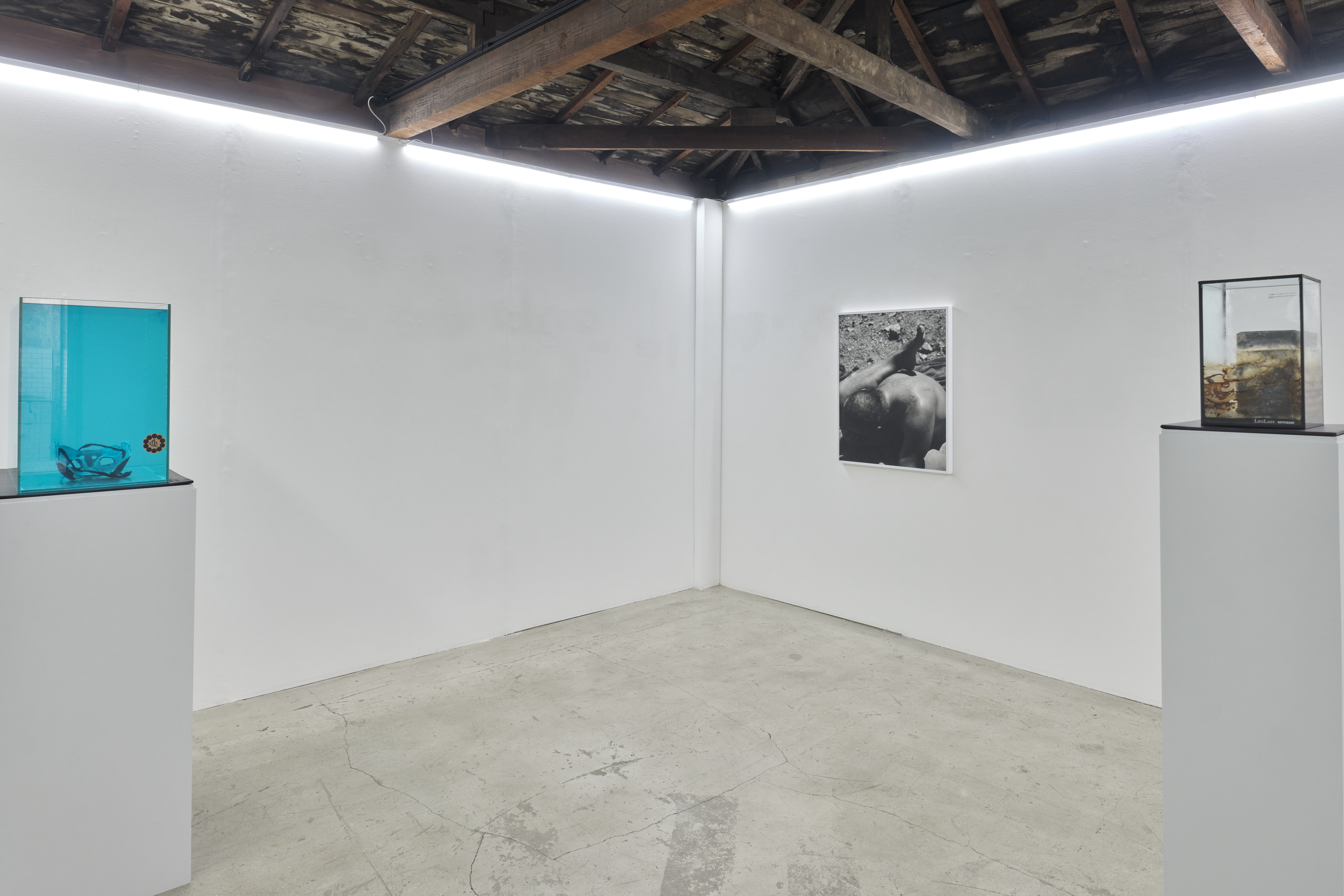
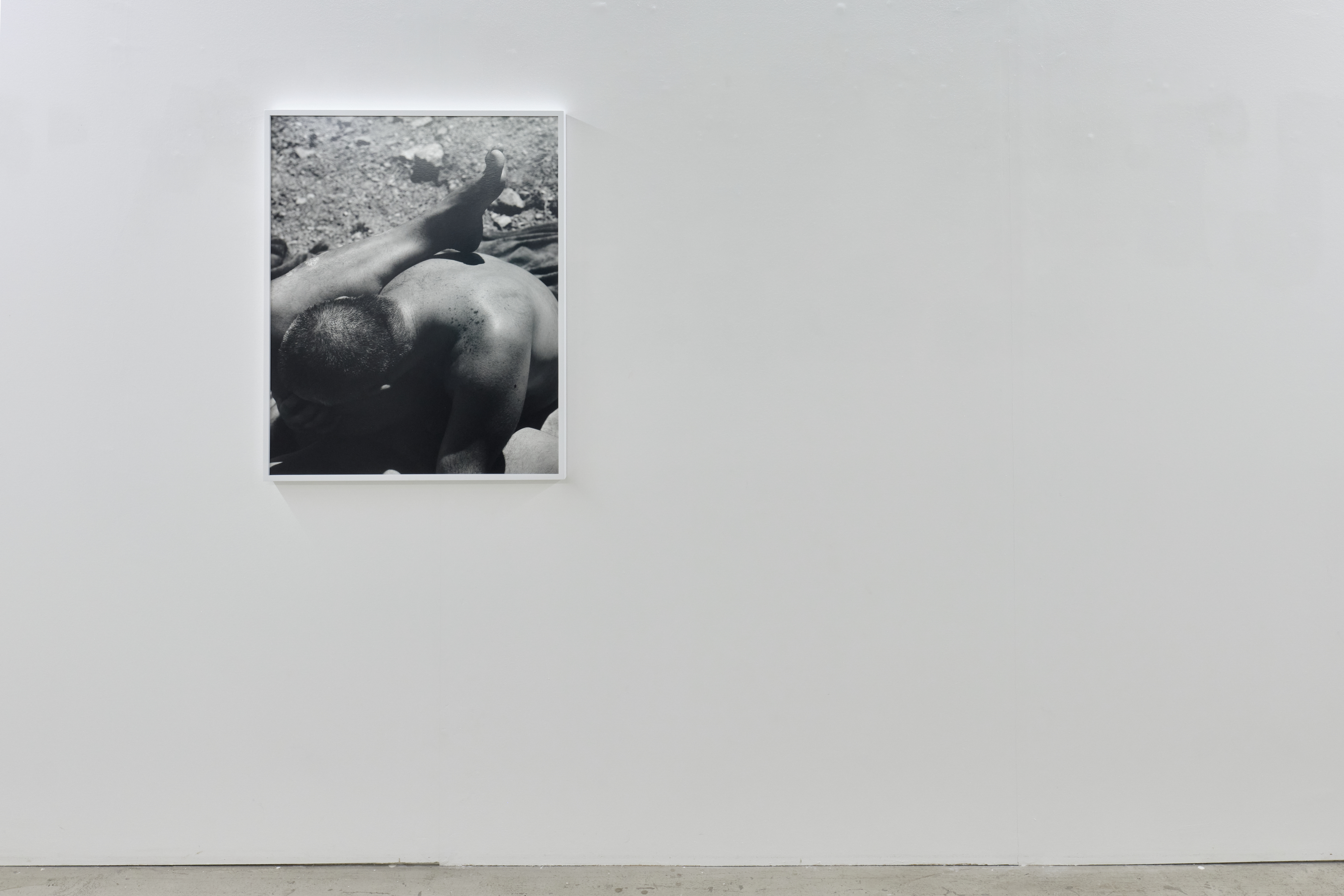
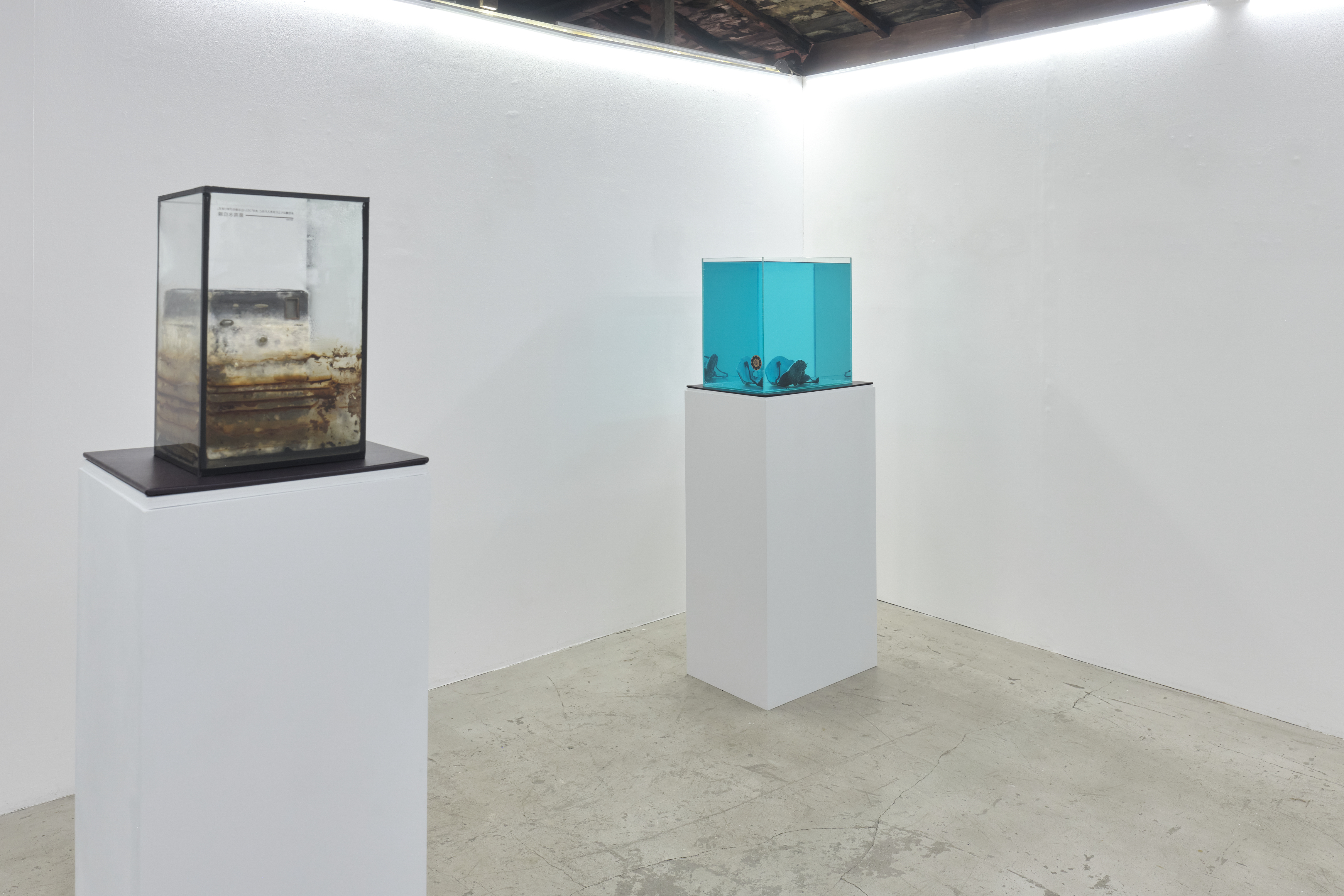
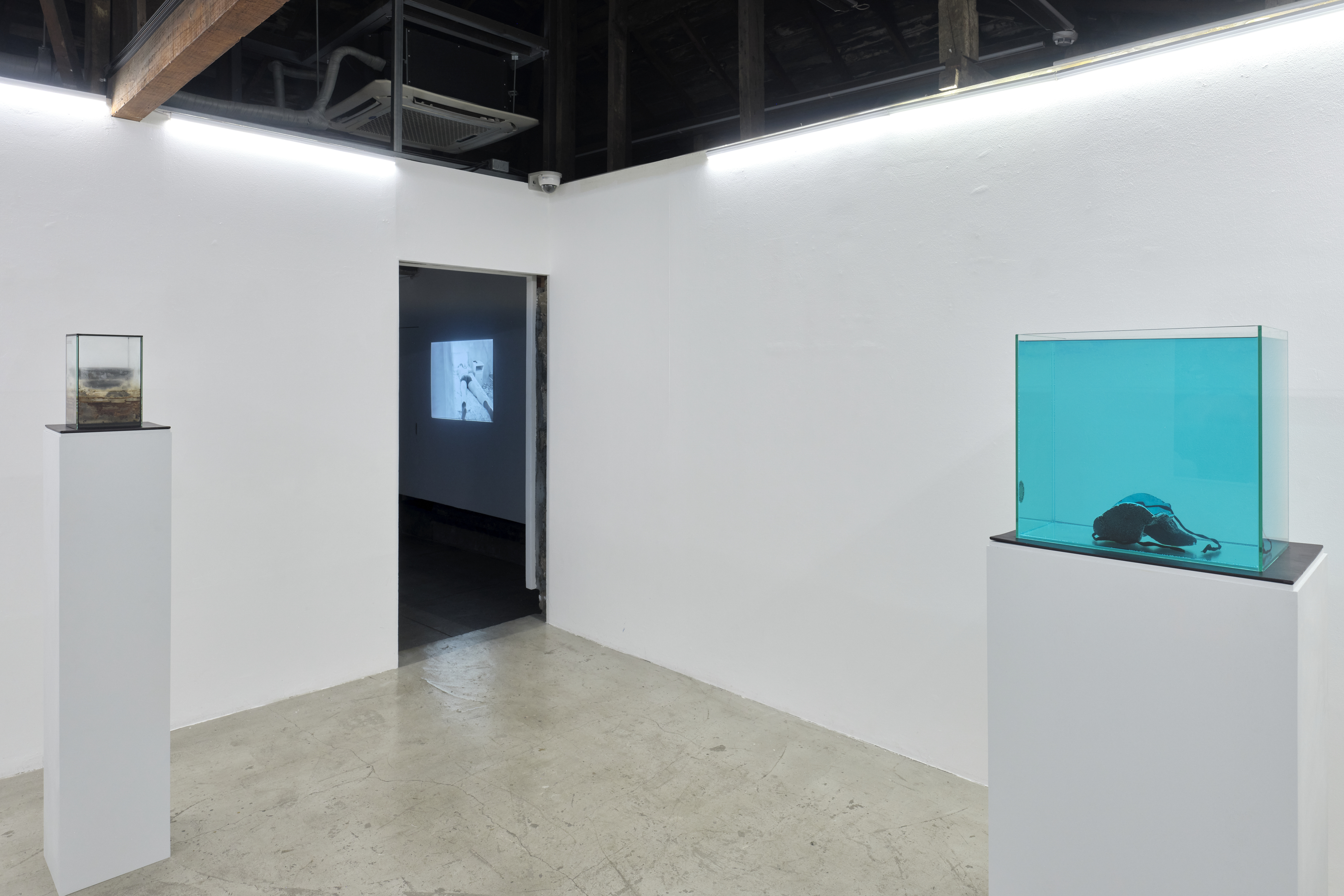
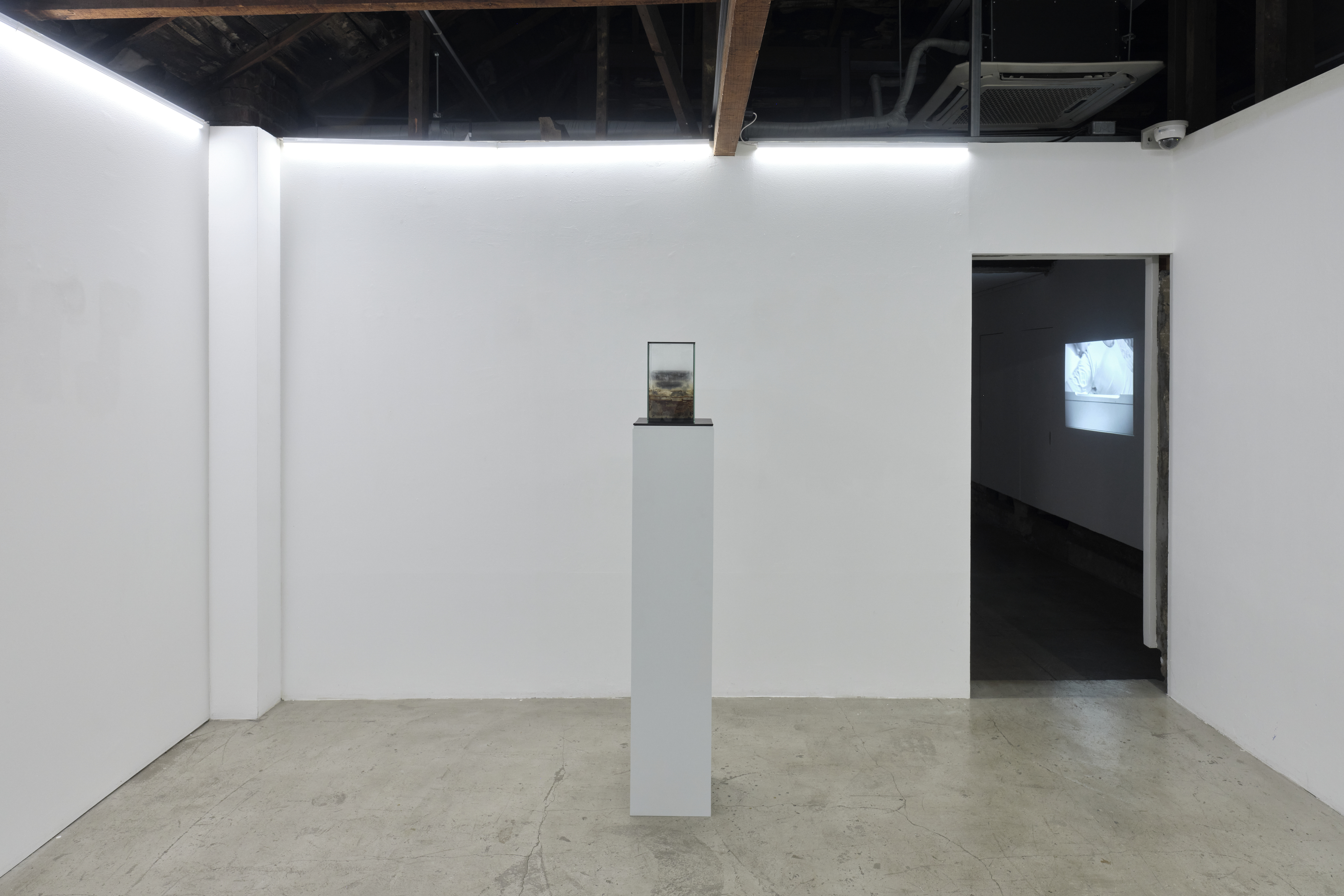
A pit is a place where something has disappeared. A hollowed ground, a lingering trace, a puddle that holds no water—its centre missing, leaving only the surroundings behind.
We tend to believe that an event begins at the centre and spreads outward. But some presences emerge in precisely the opposite way. Without a clear meaning or focal point, they appear only through what has vanished and the traces left behind. A presence never fully completes itself; it is always revealed through exposure, gaps, or absences.
In The Sense of the World, Jean-Luc Nancy writes that being exists only as an “exposition” without a centre, and meaning does not arise from a complete form but rather from the “interval” of its appearance. Meaning never stays fixed—it constantly slips, misaligns, and evades definition. Likewise, existence is not a solid entity but a continual attempt at appearing, found only within that process or its repeated failures. This exhibition follows such modes of emergence. Each participating artist, in their own material and method, empties the centre, cuts through surfaces, and opens fissures in space.
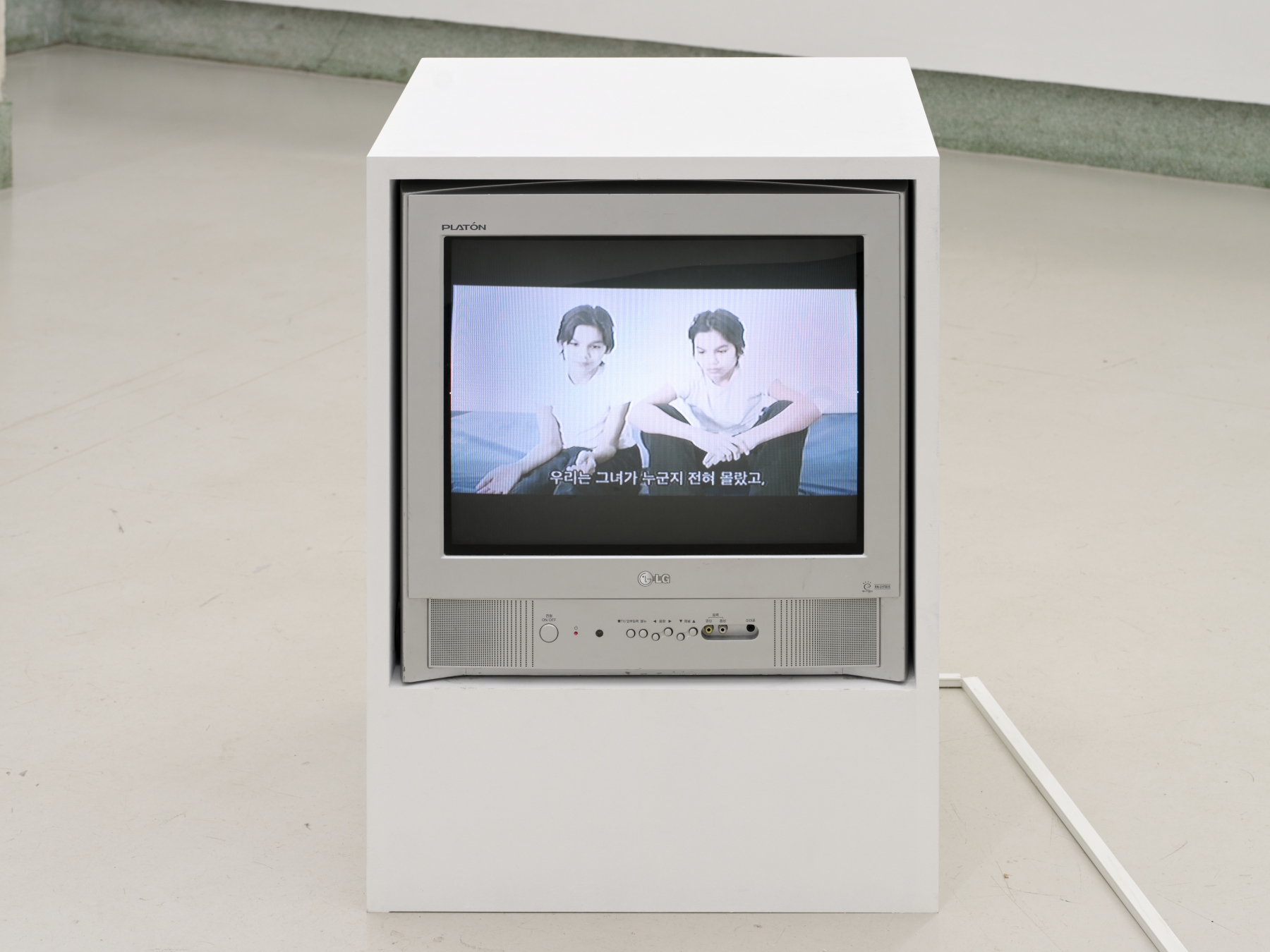
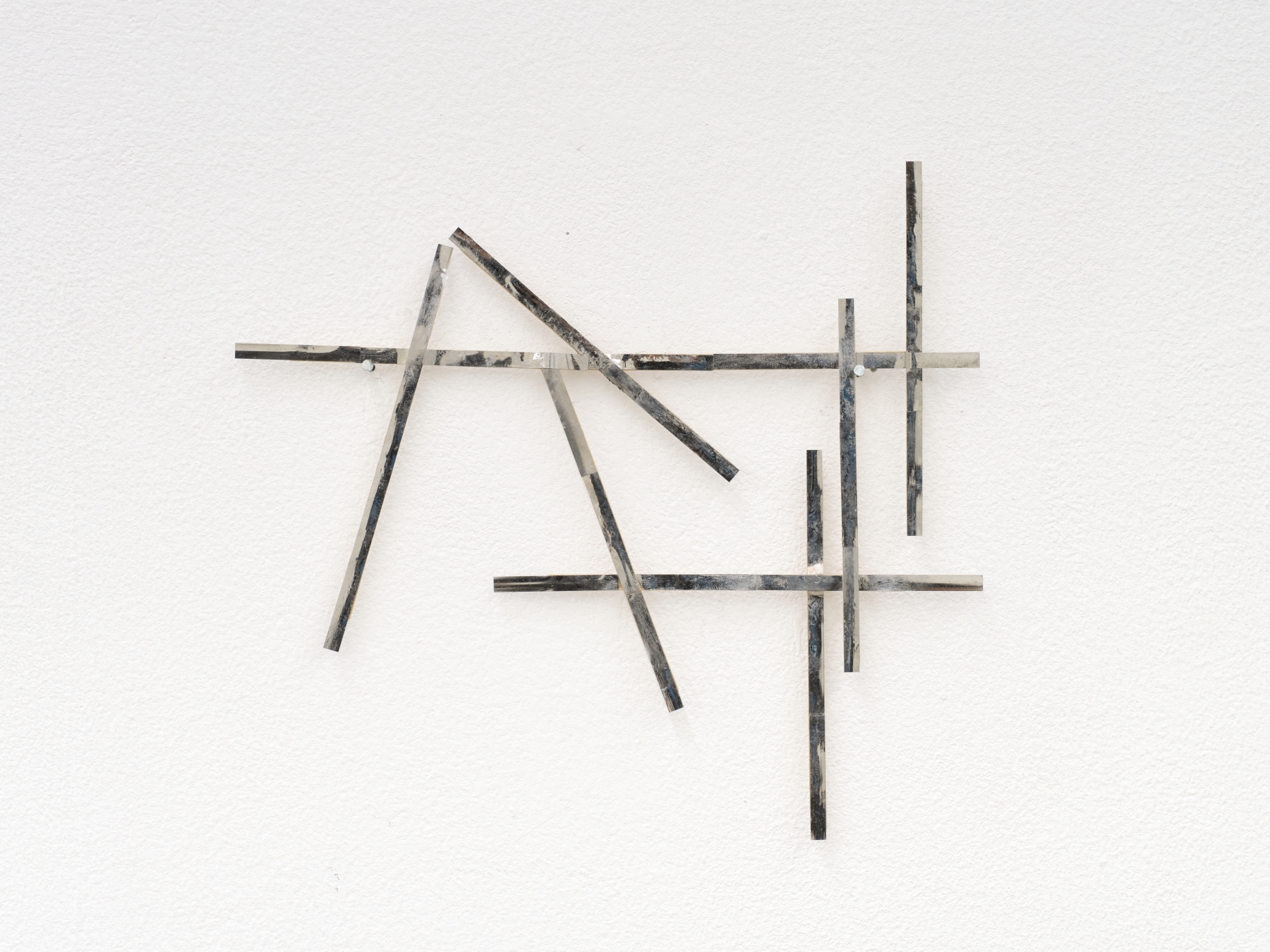
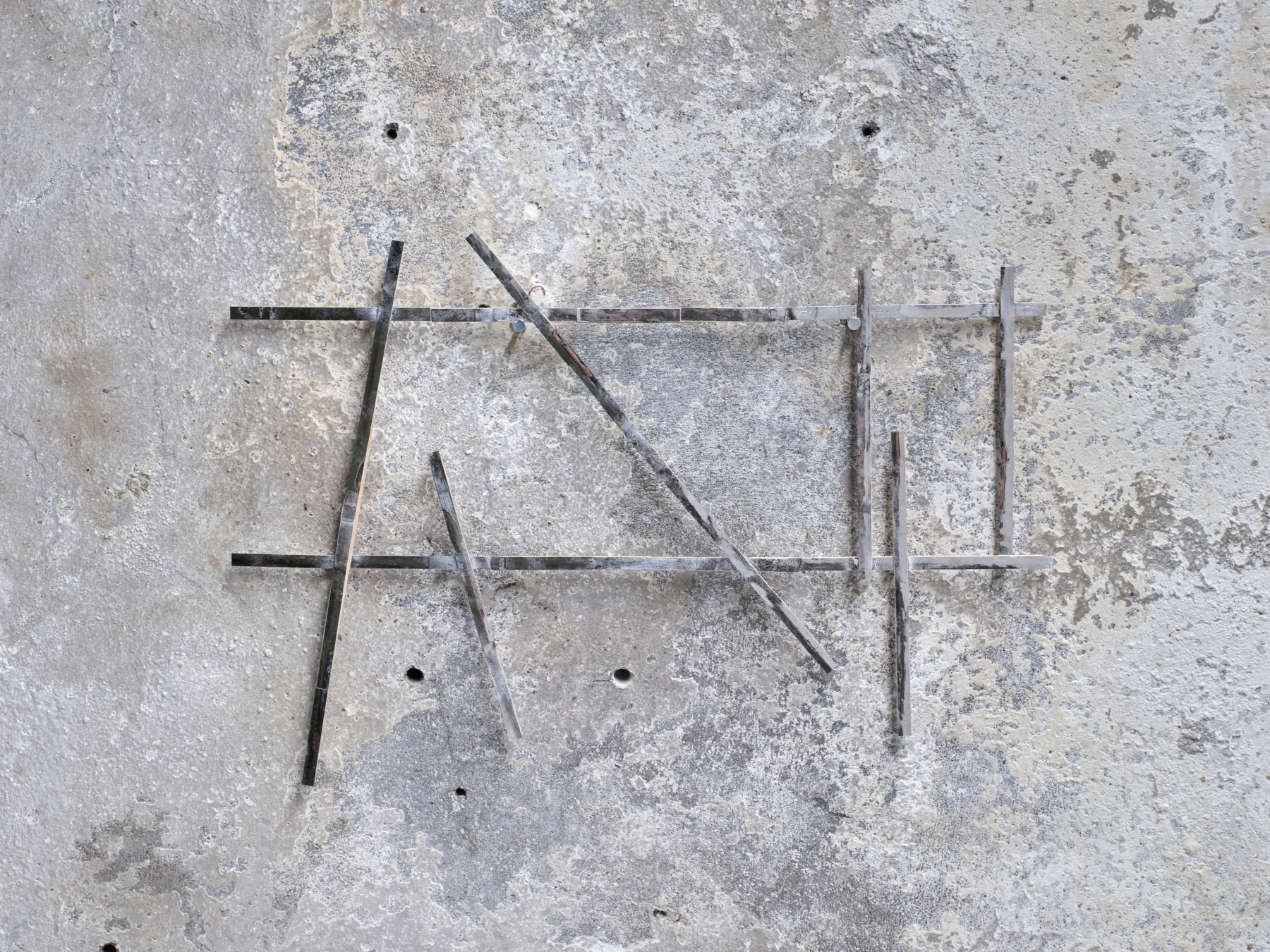
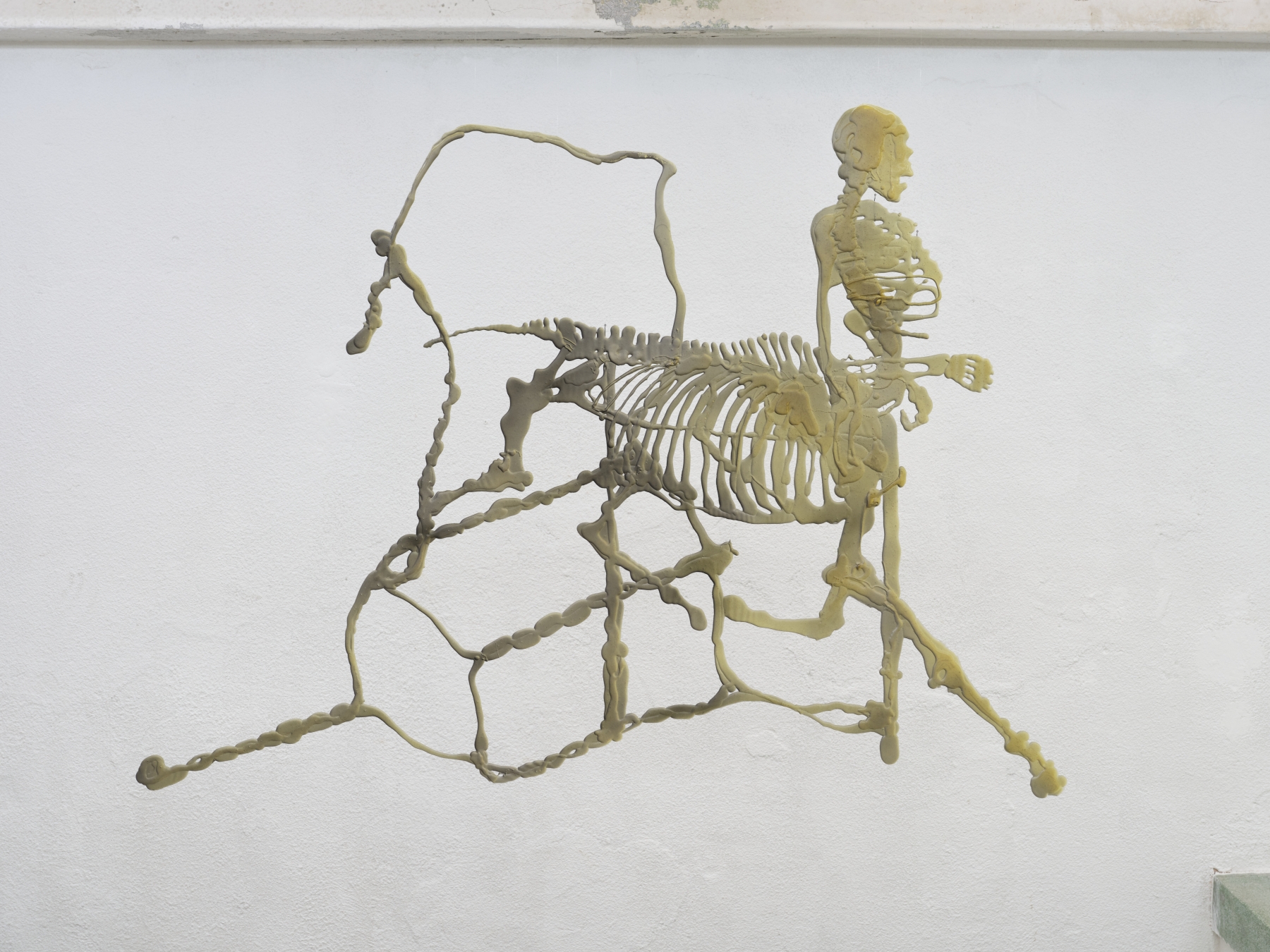
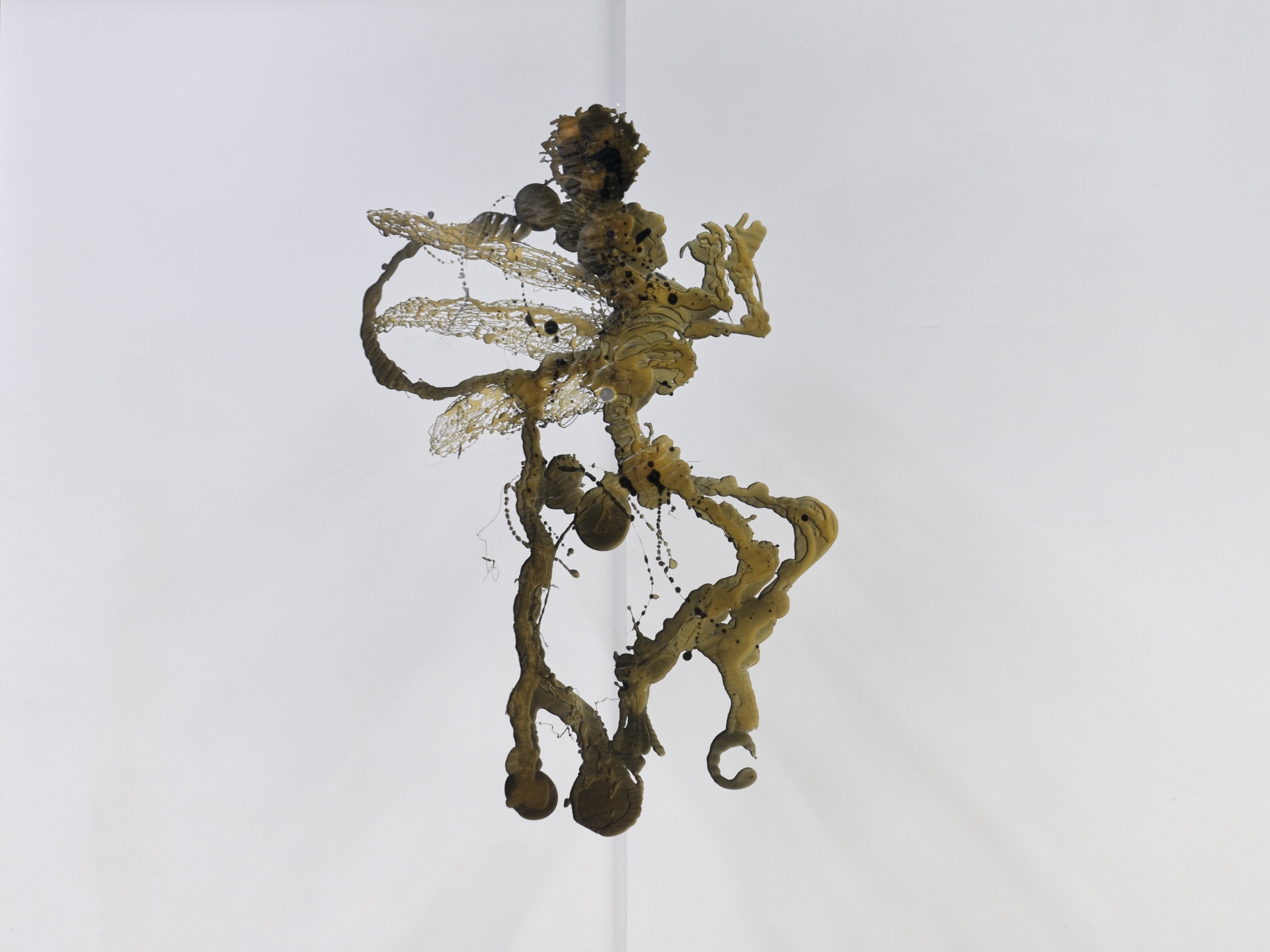
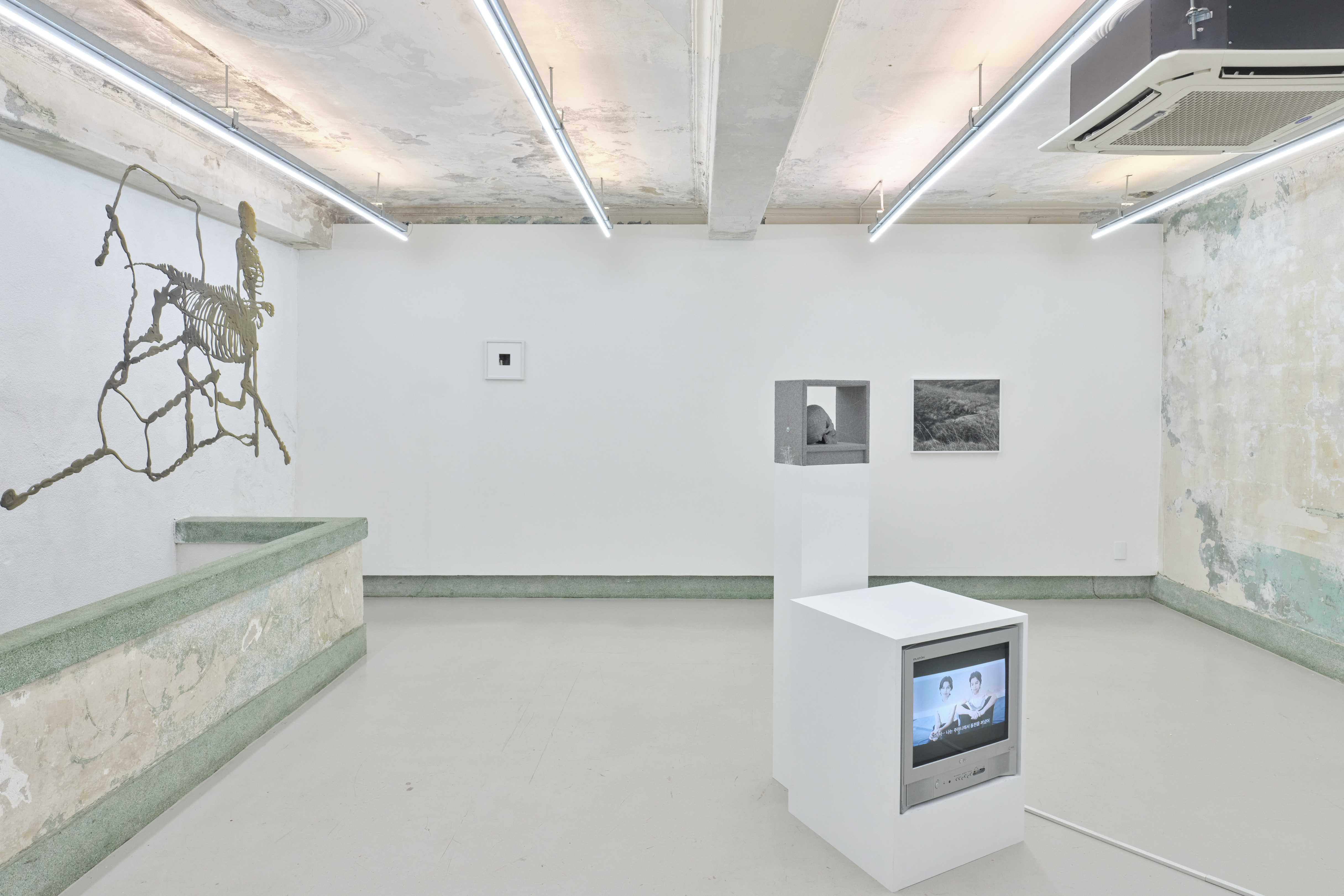
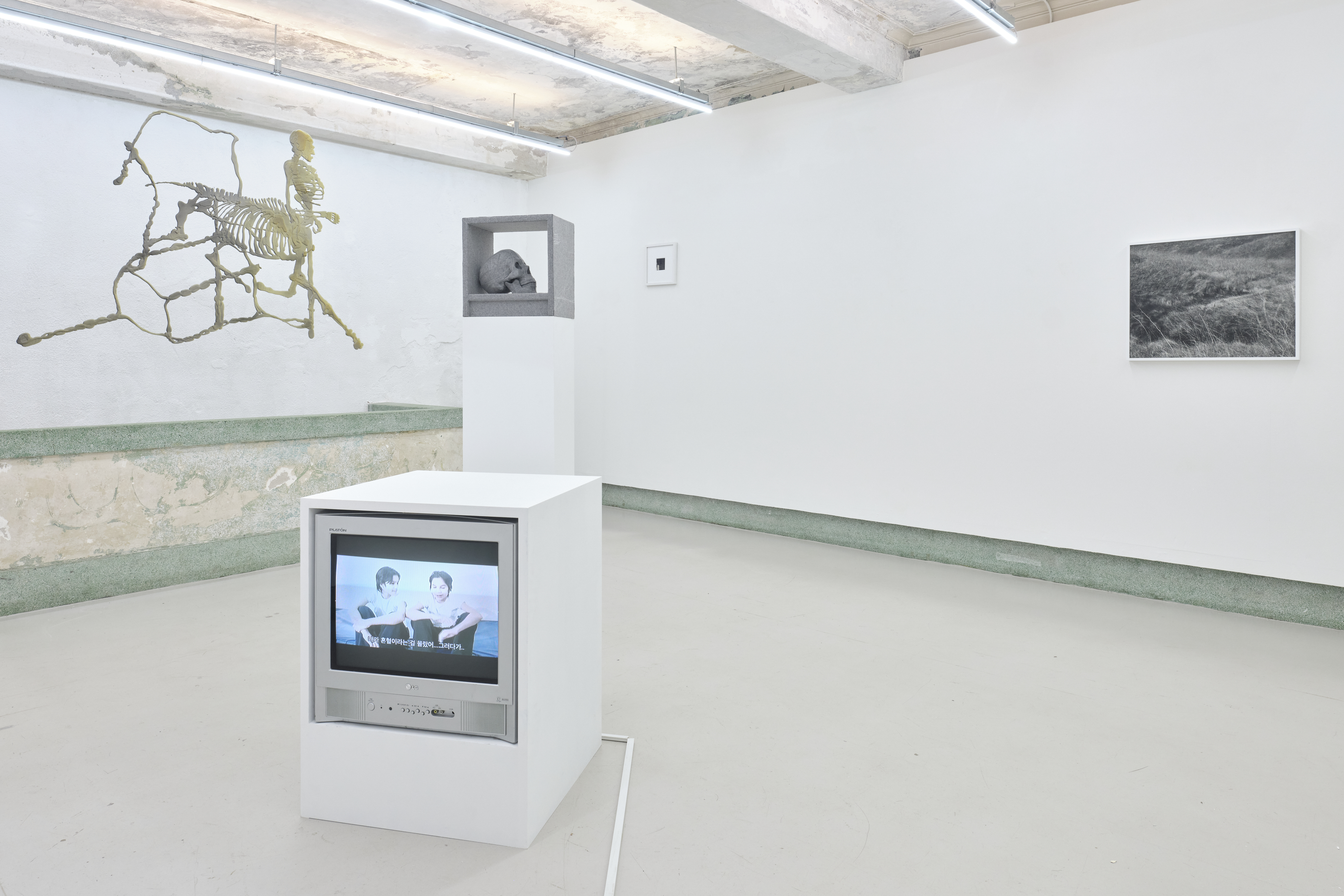
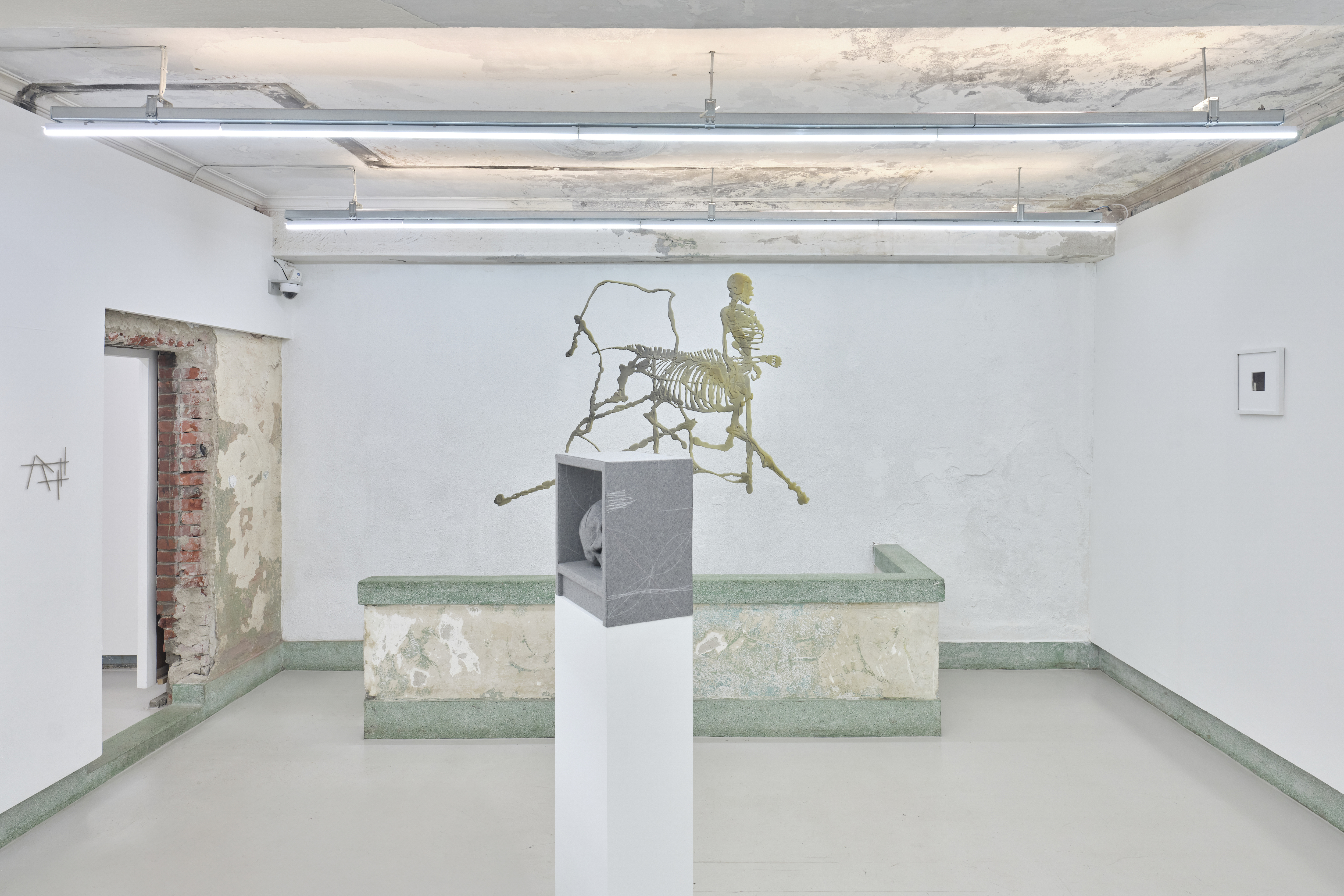
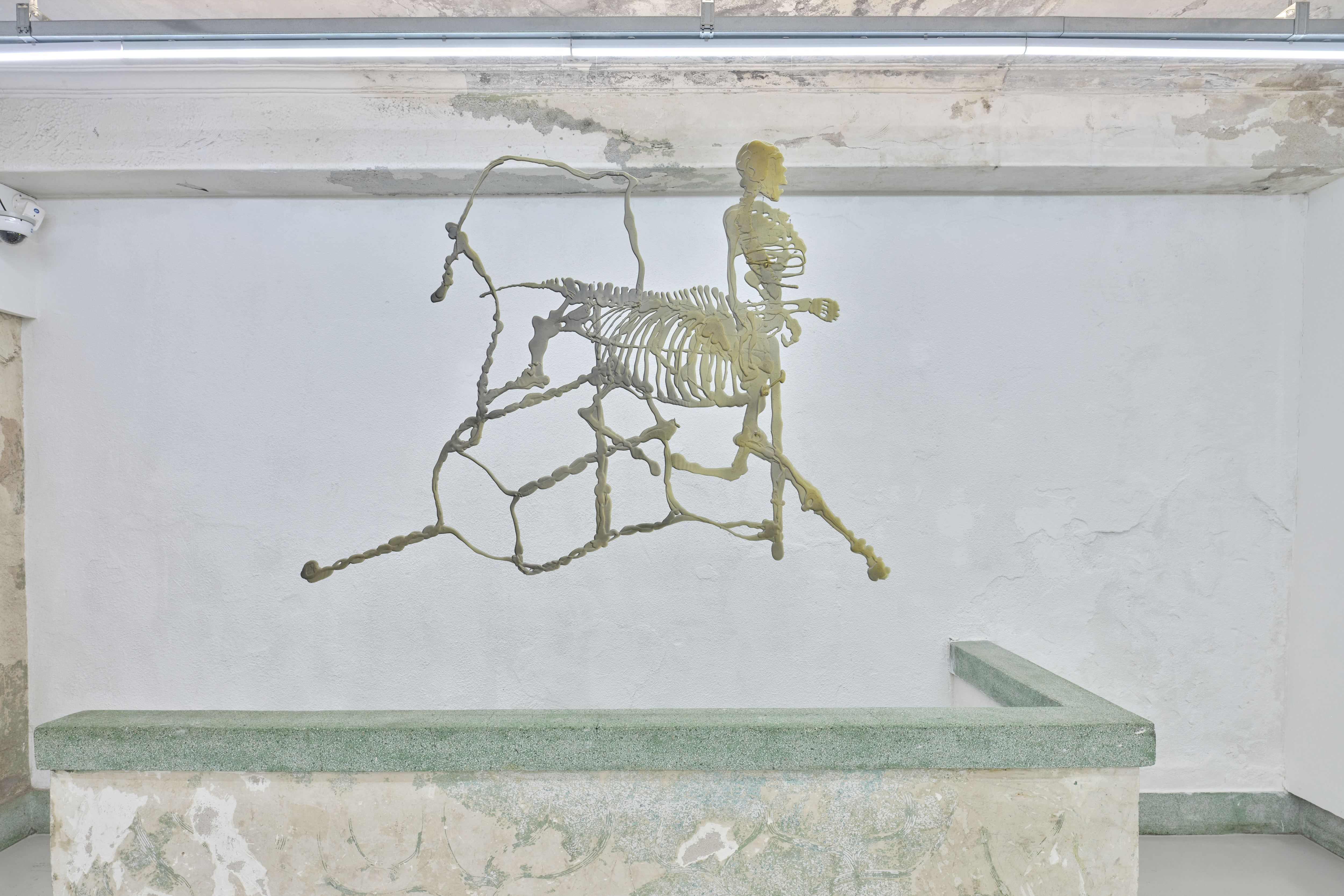
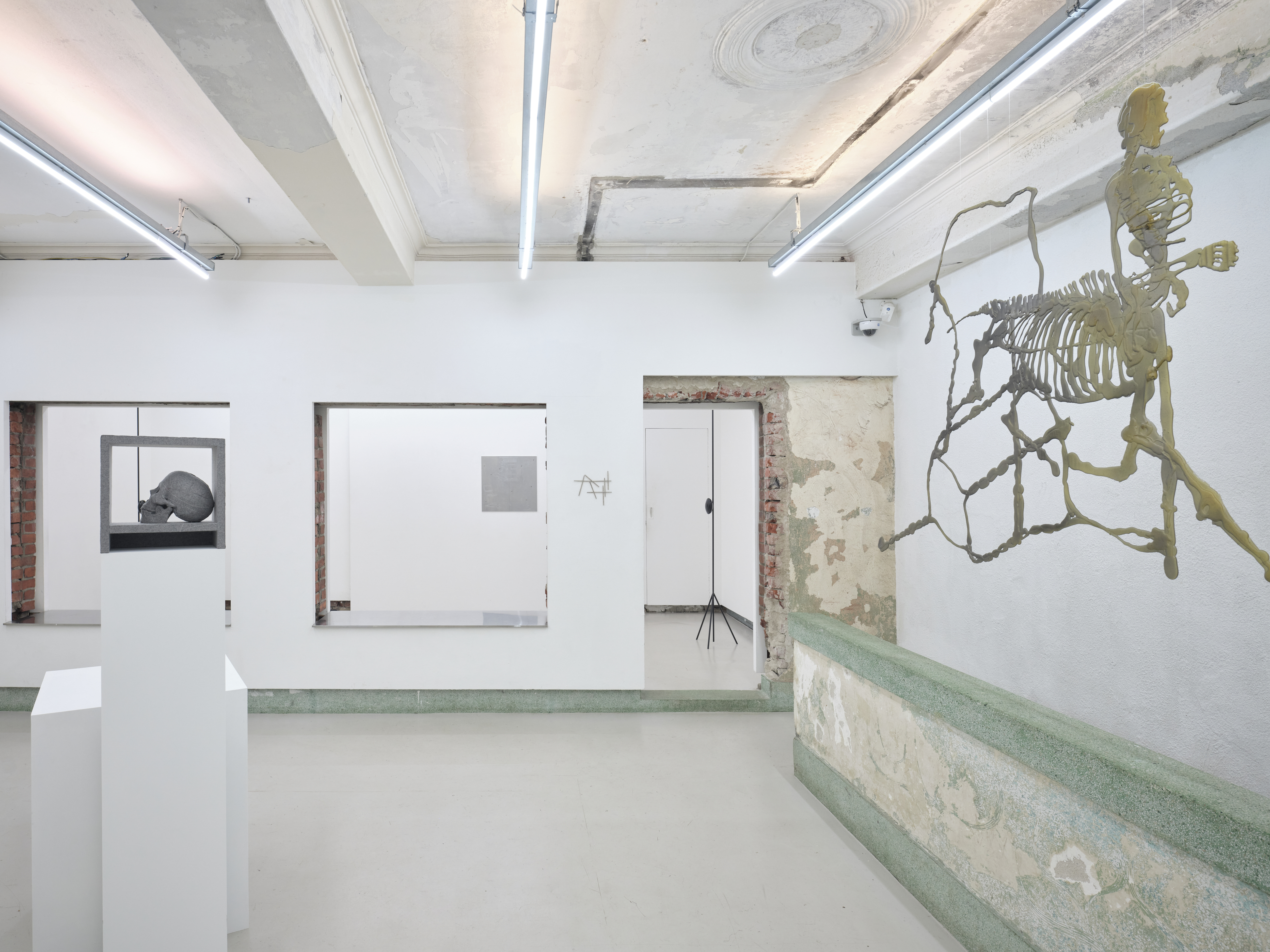
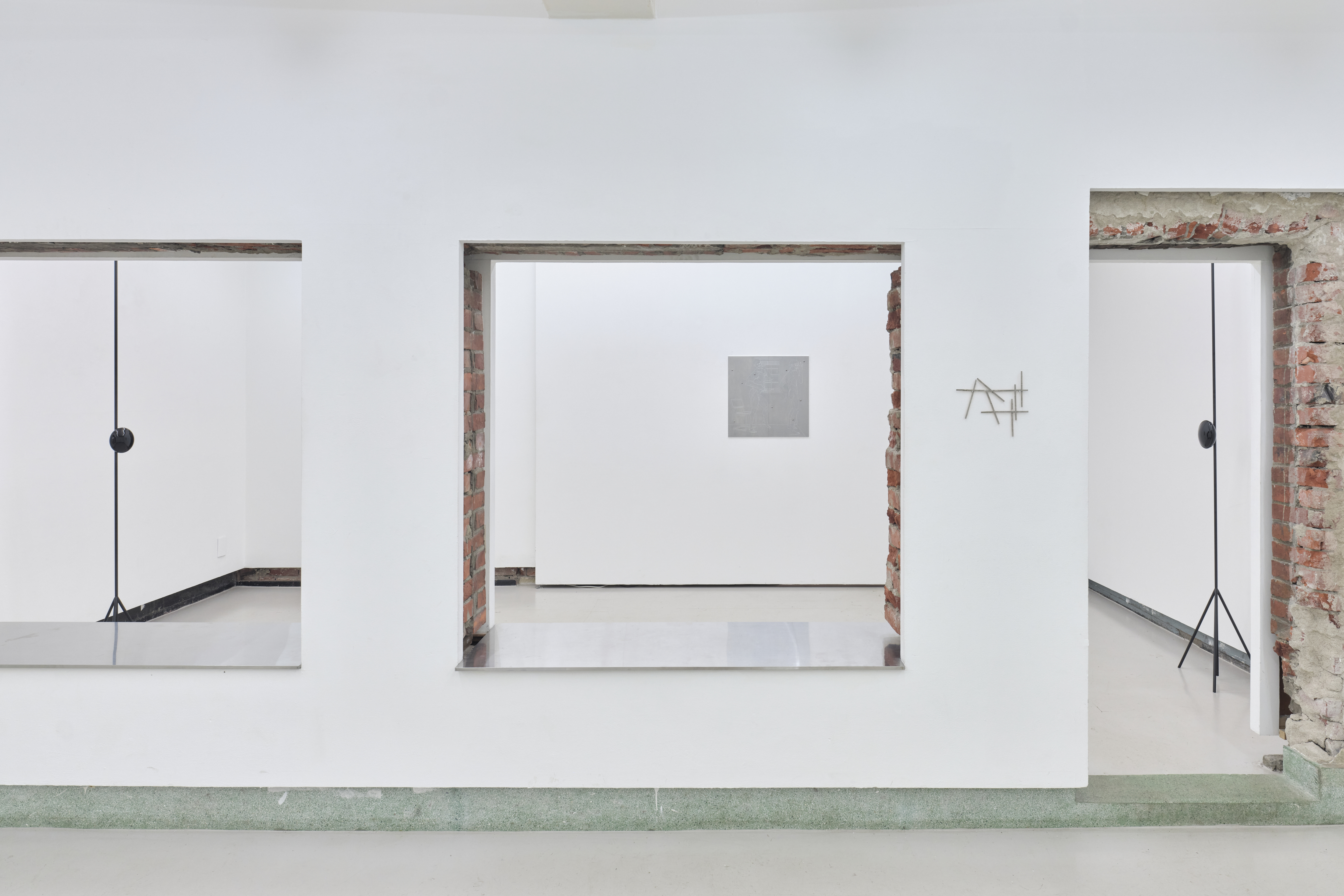
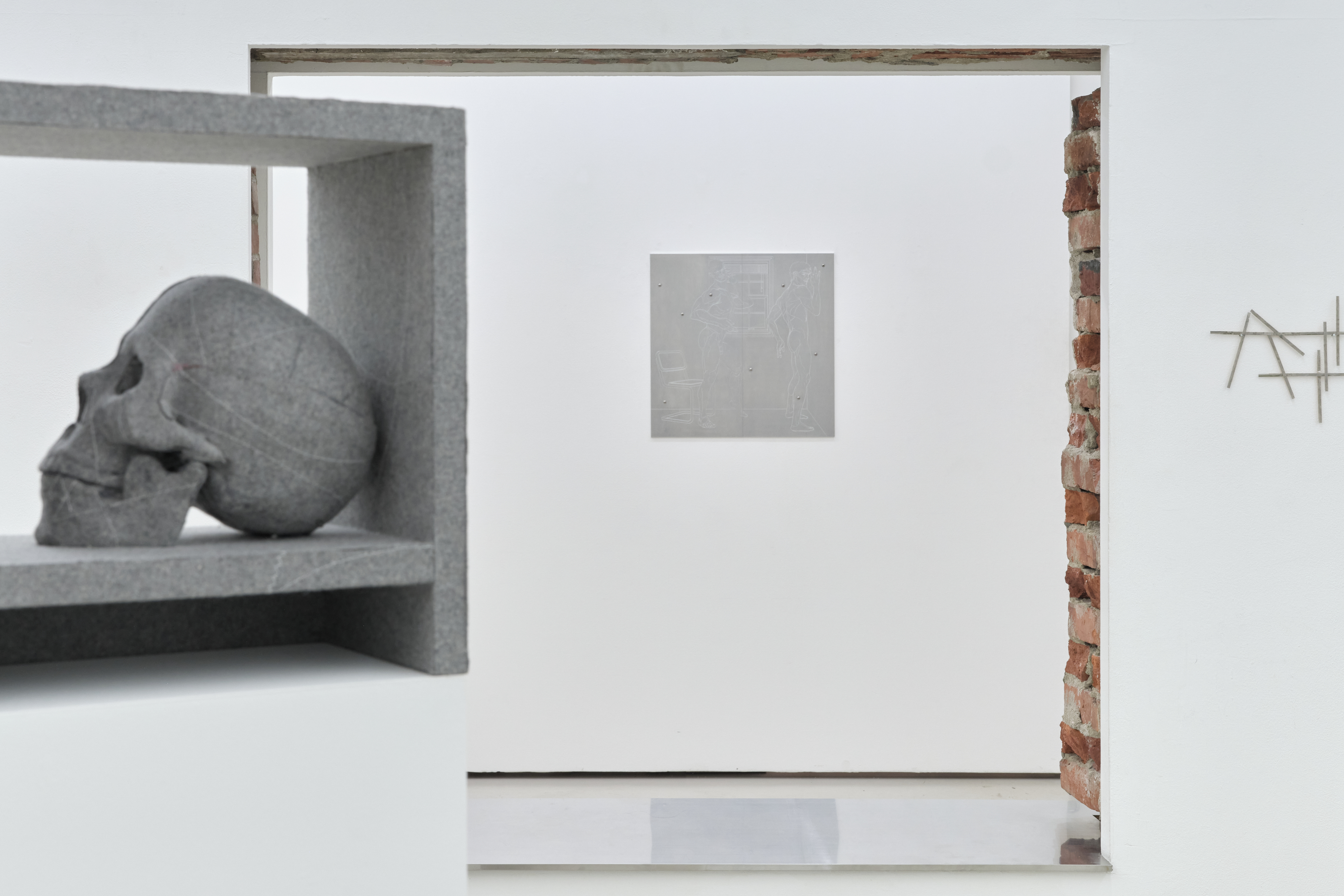
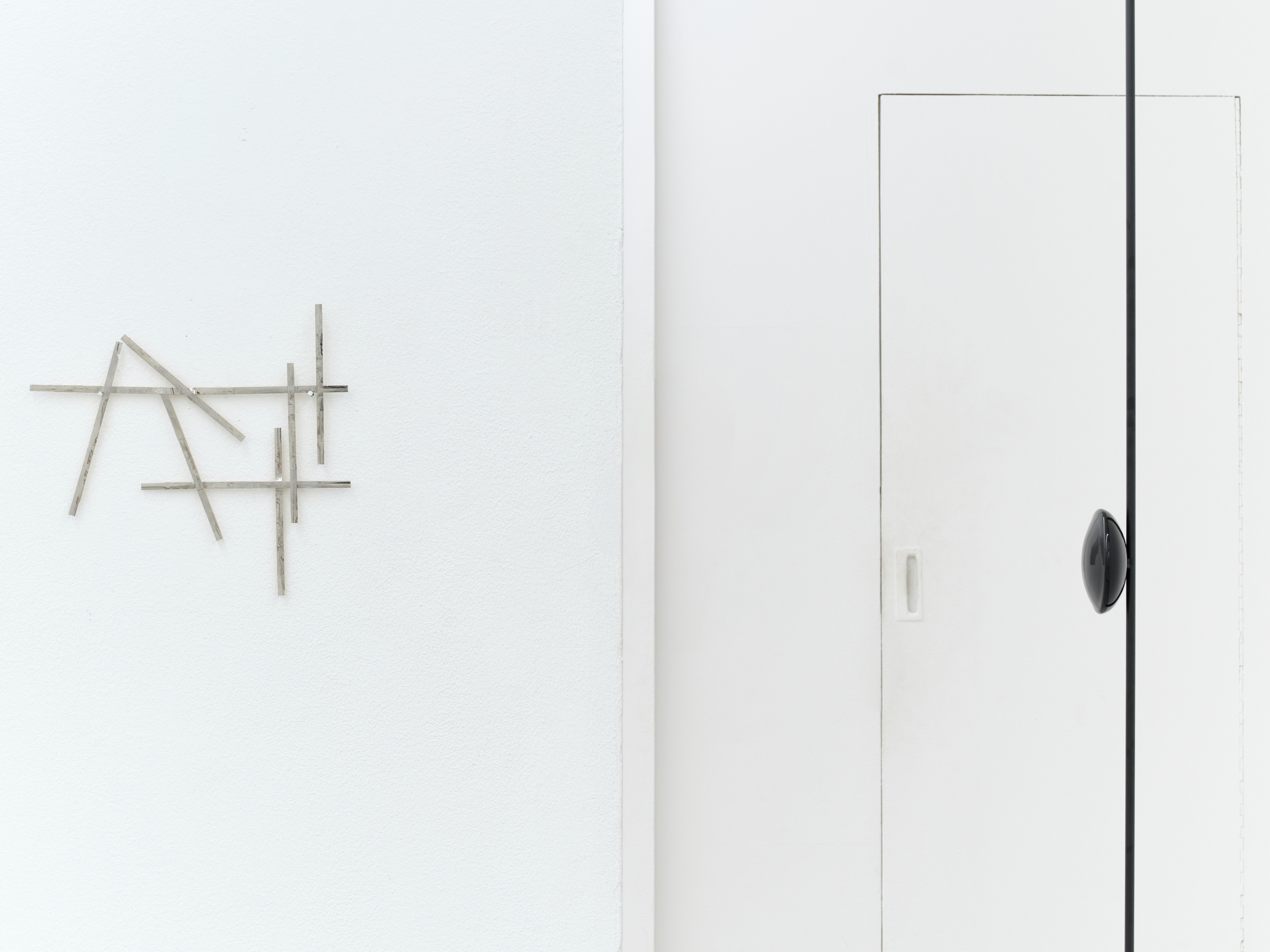
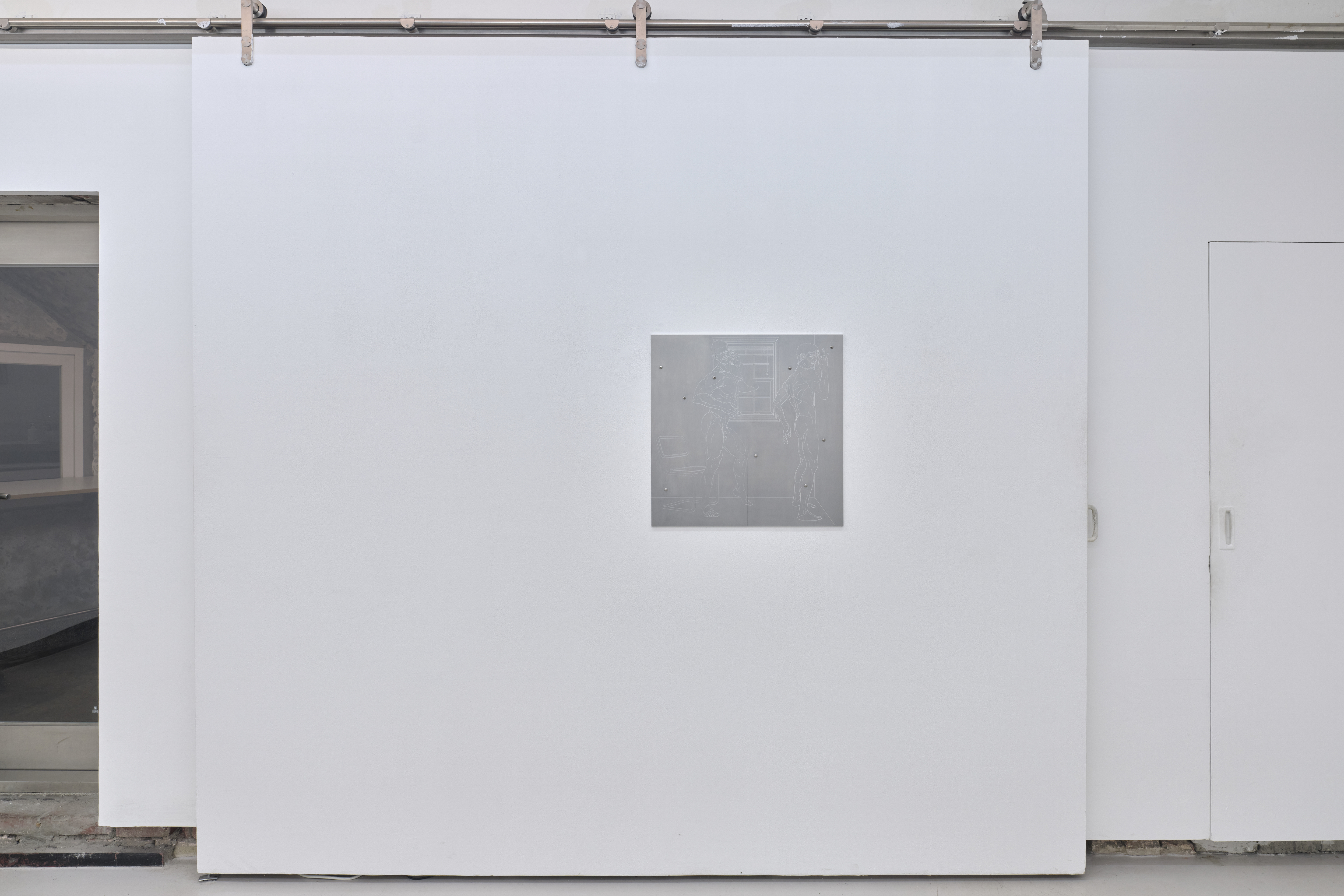
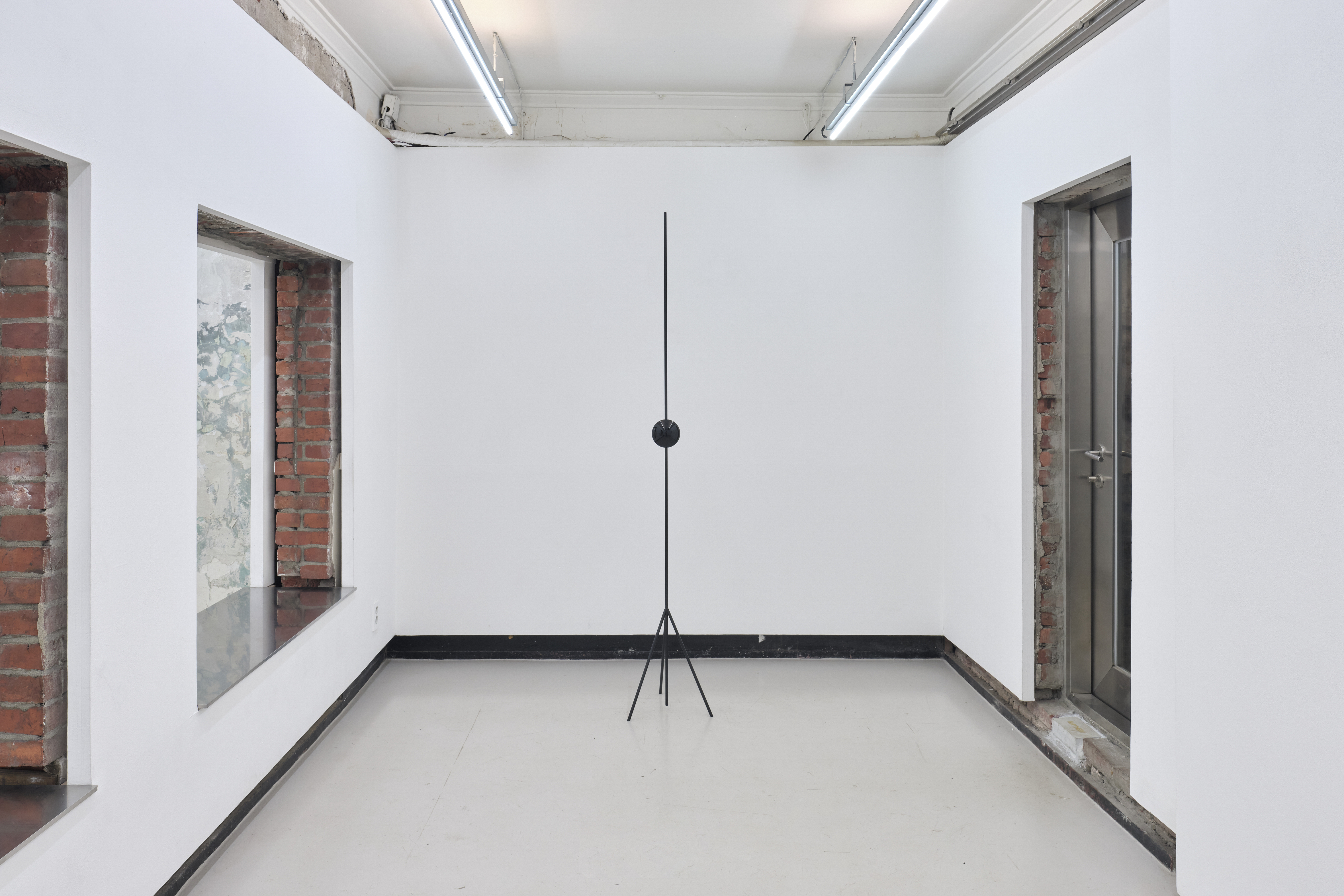
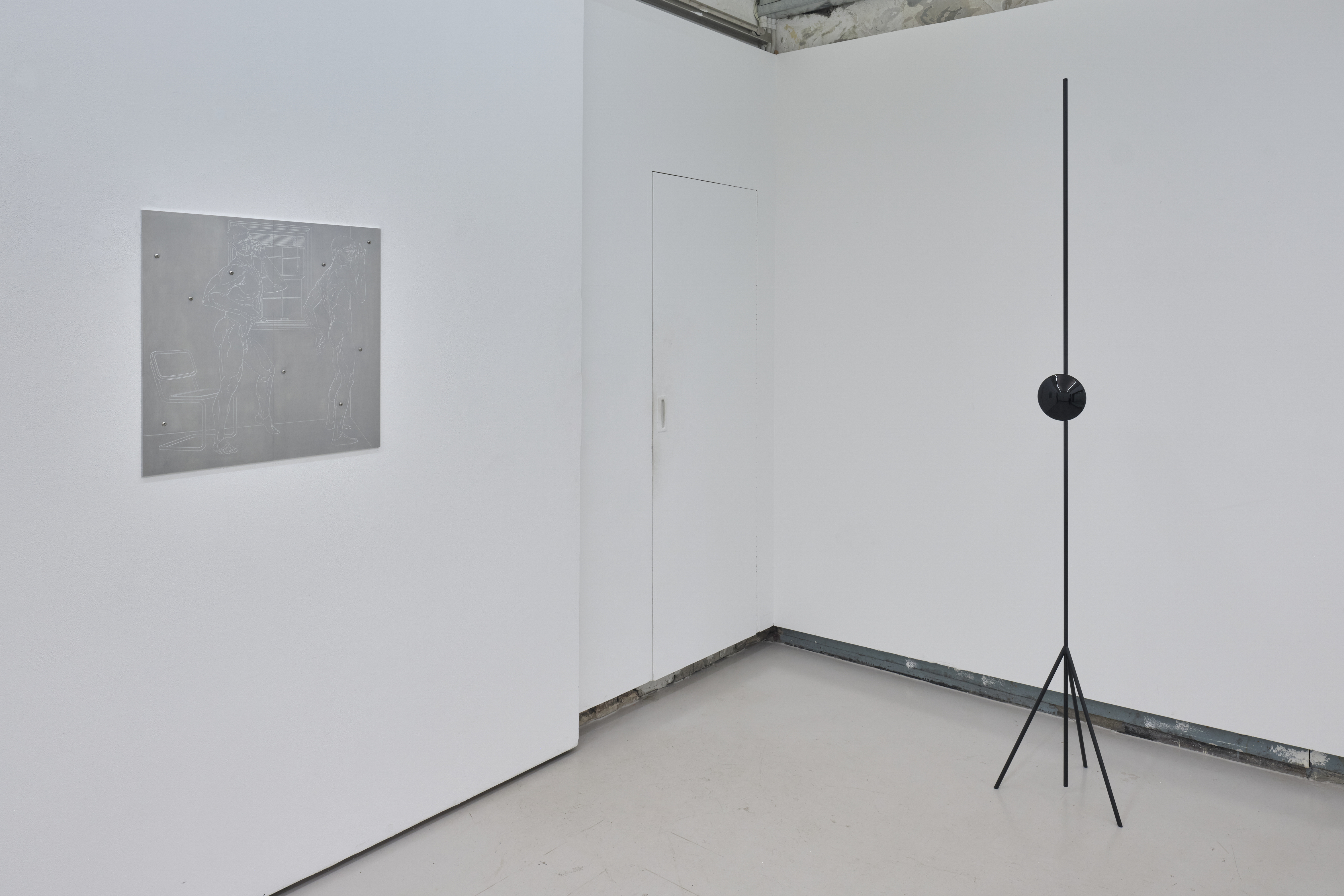
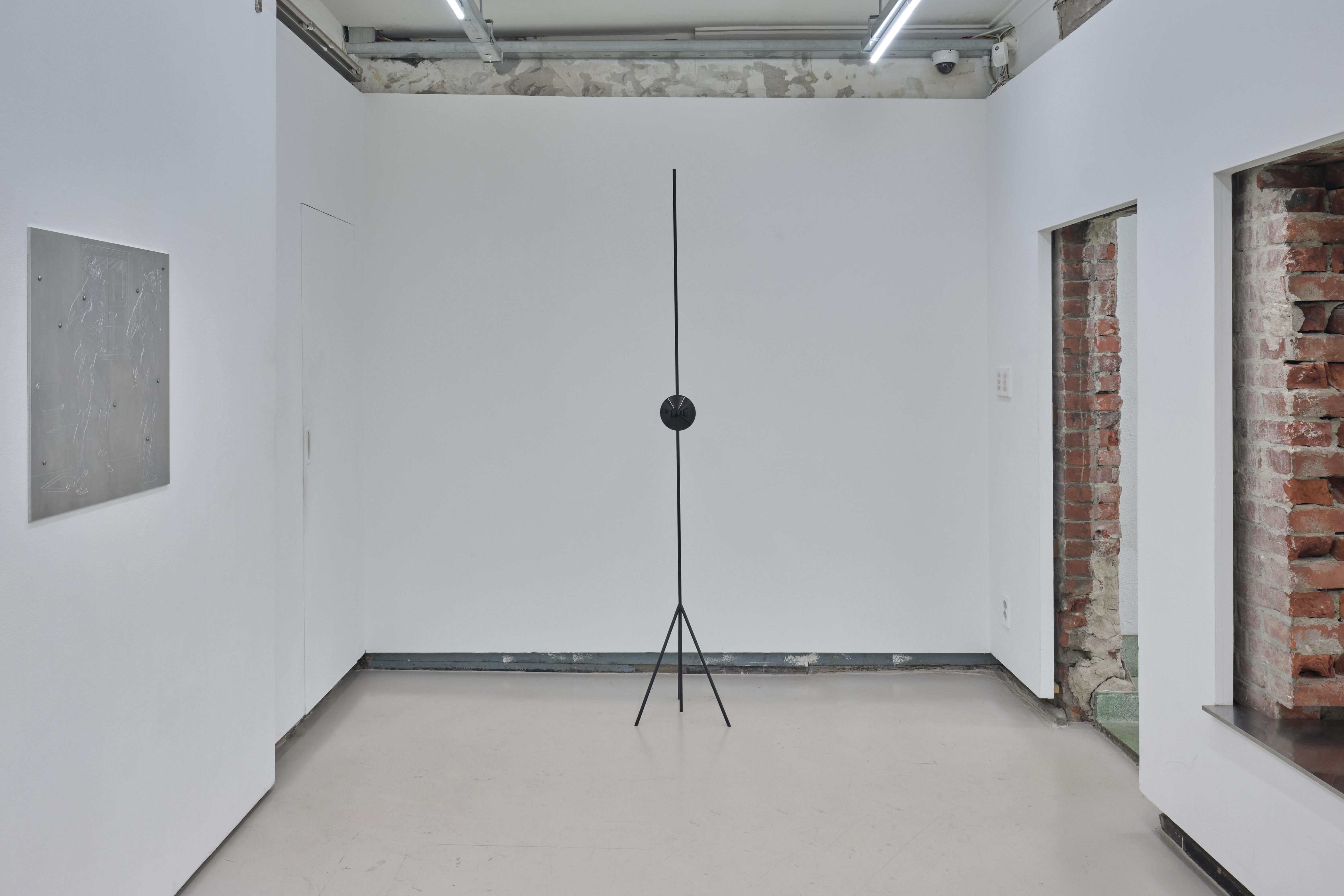
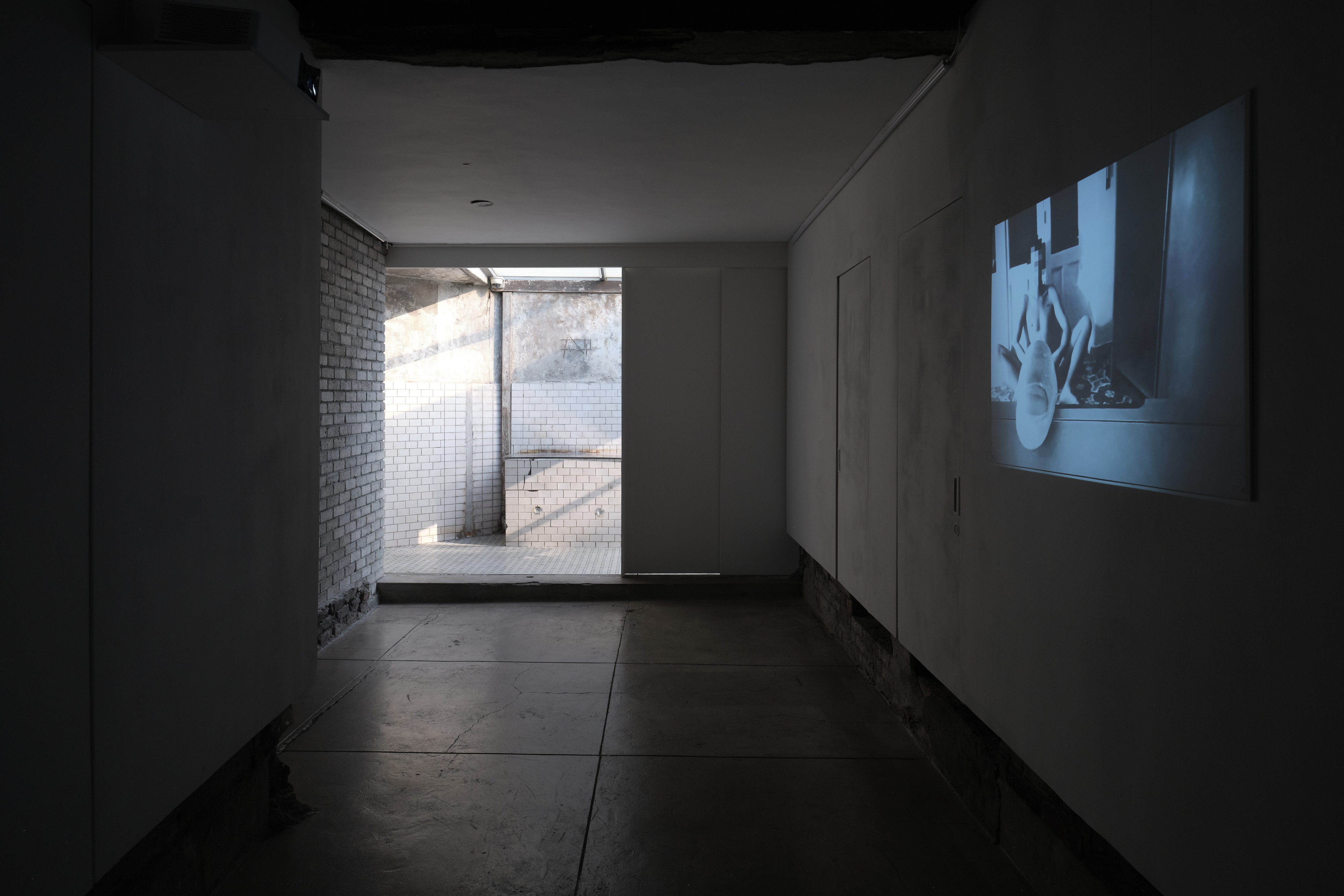
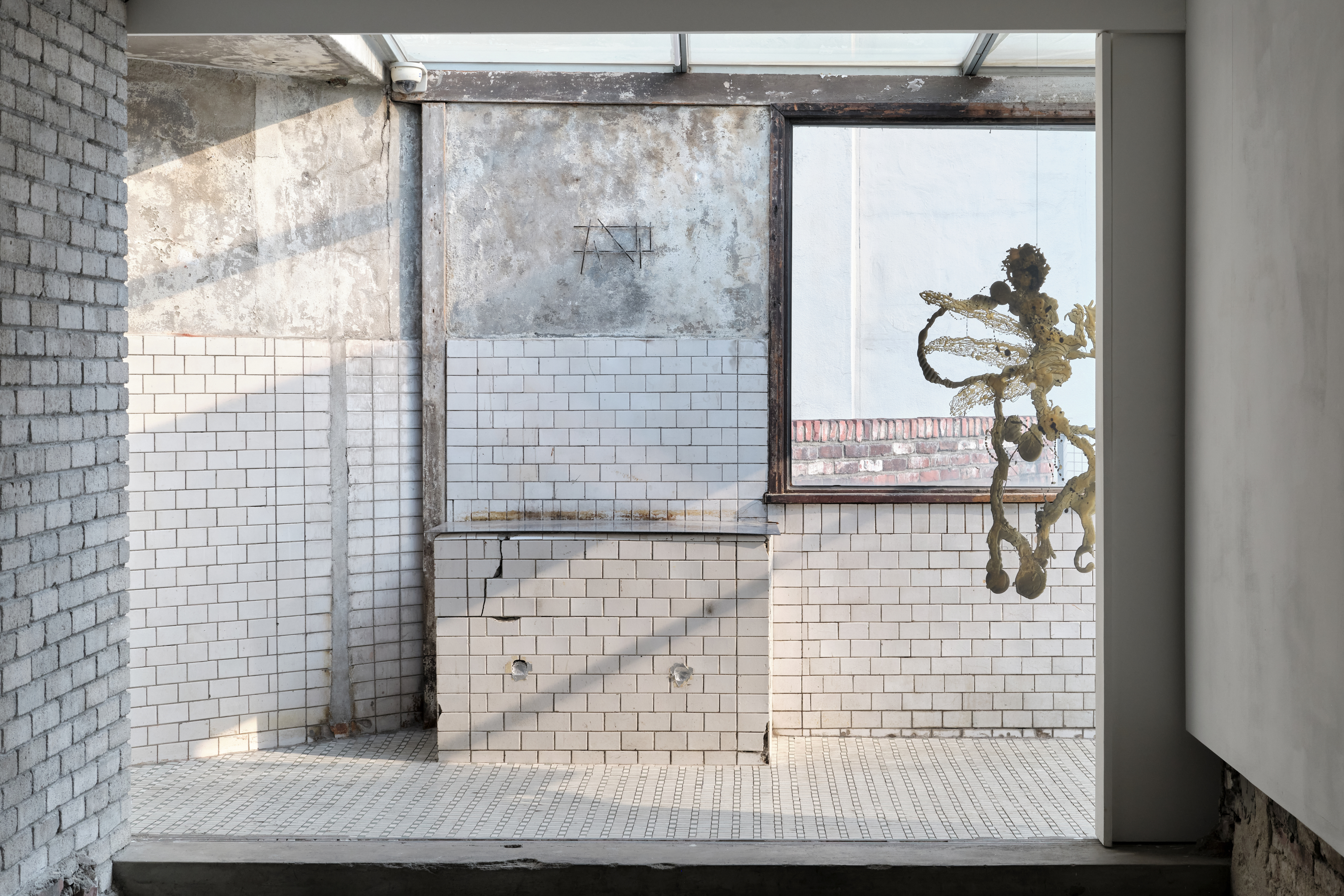
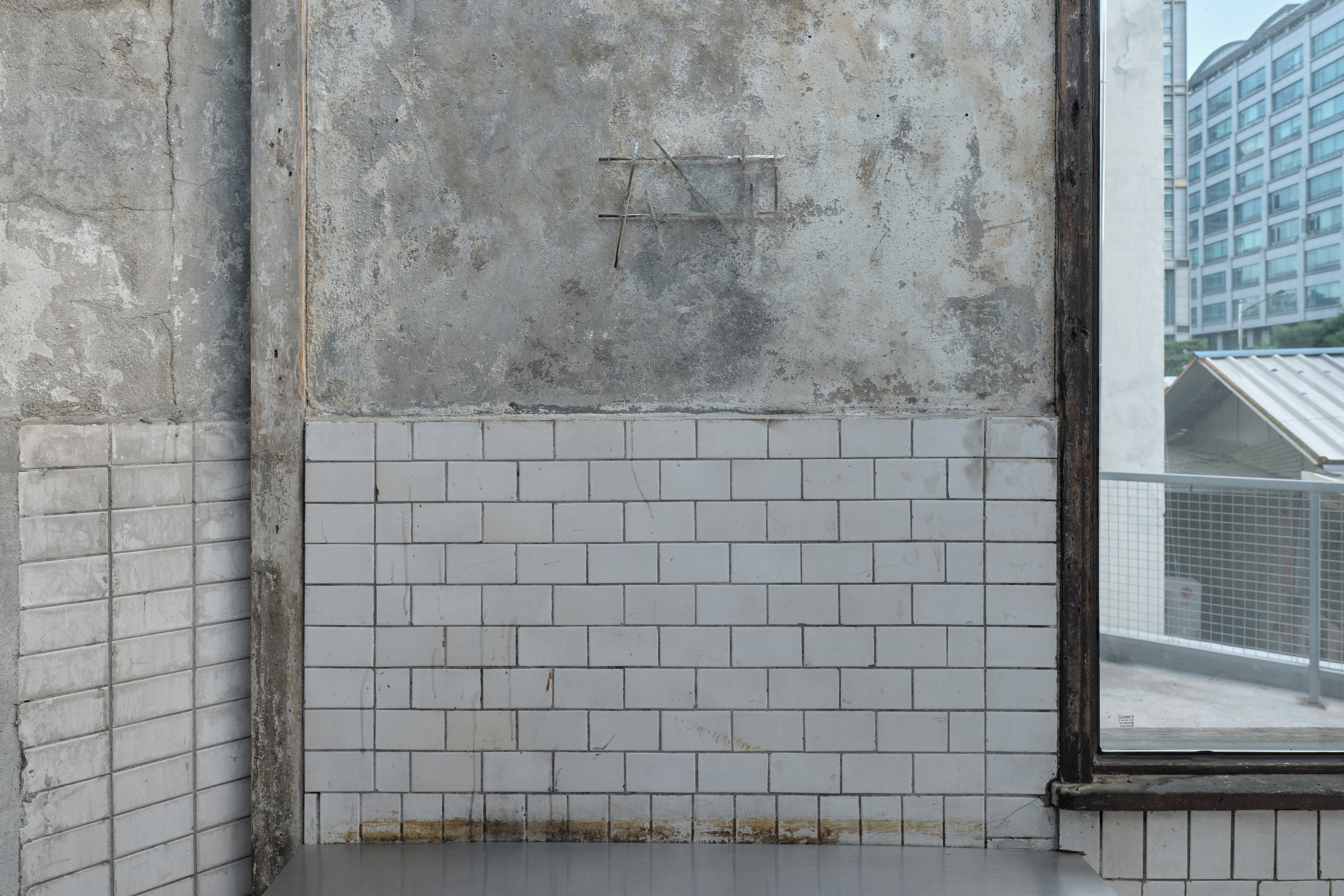
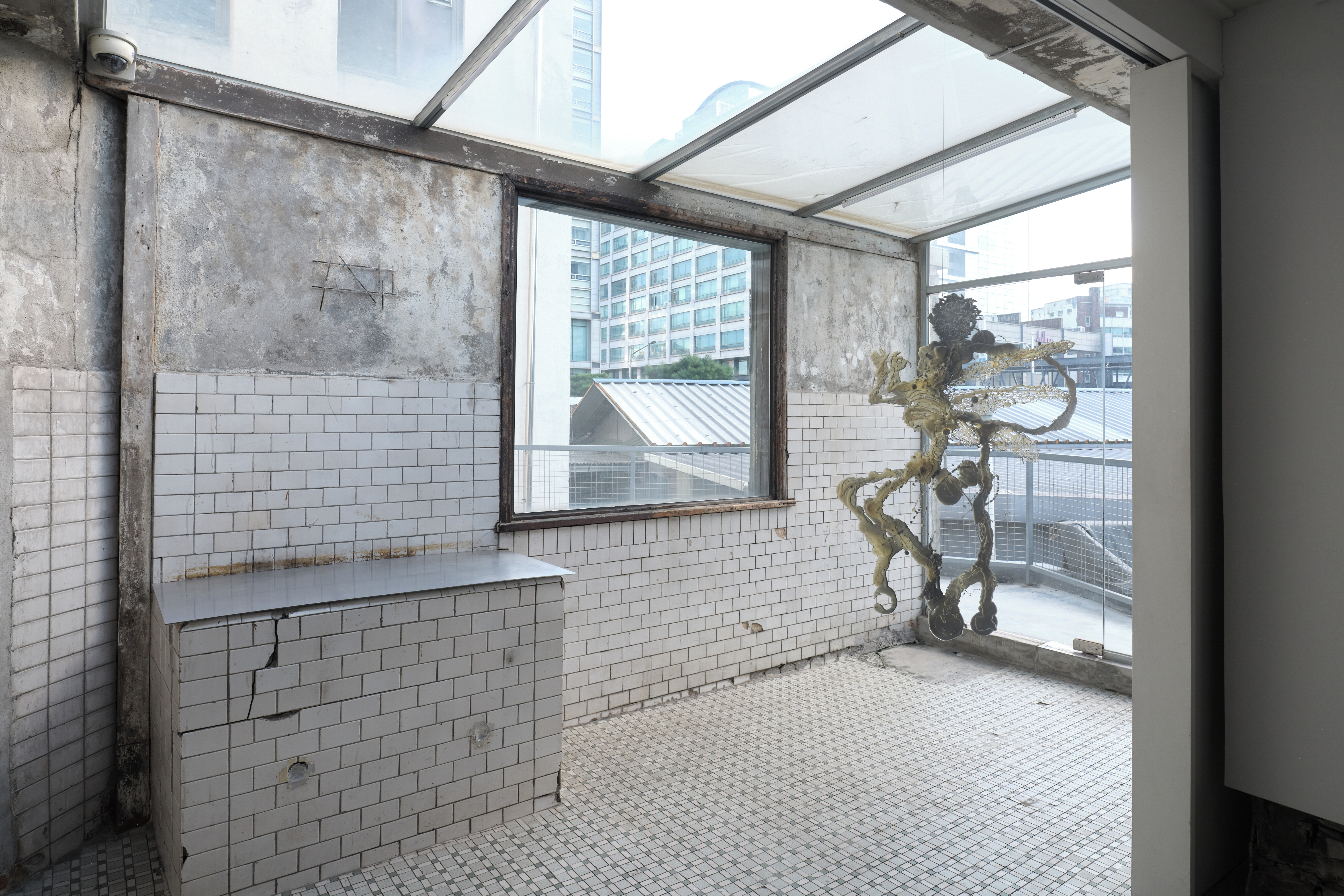
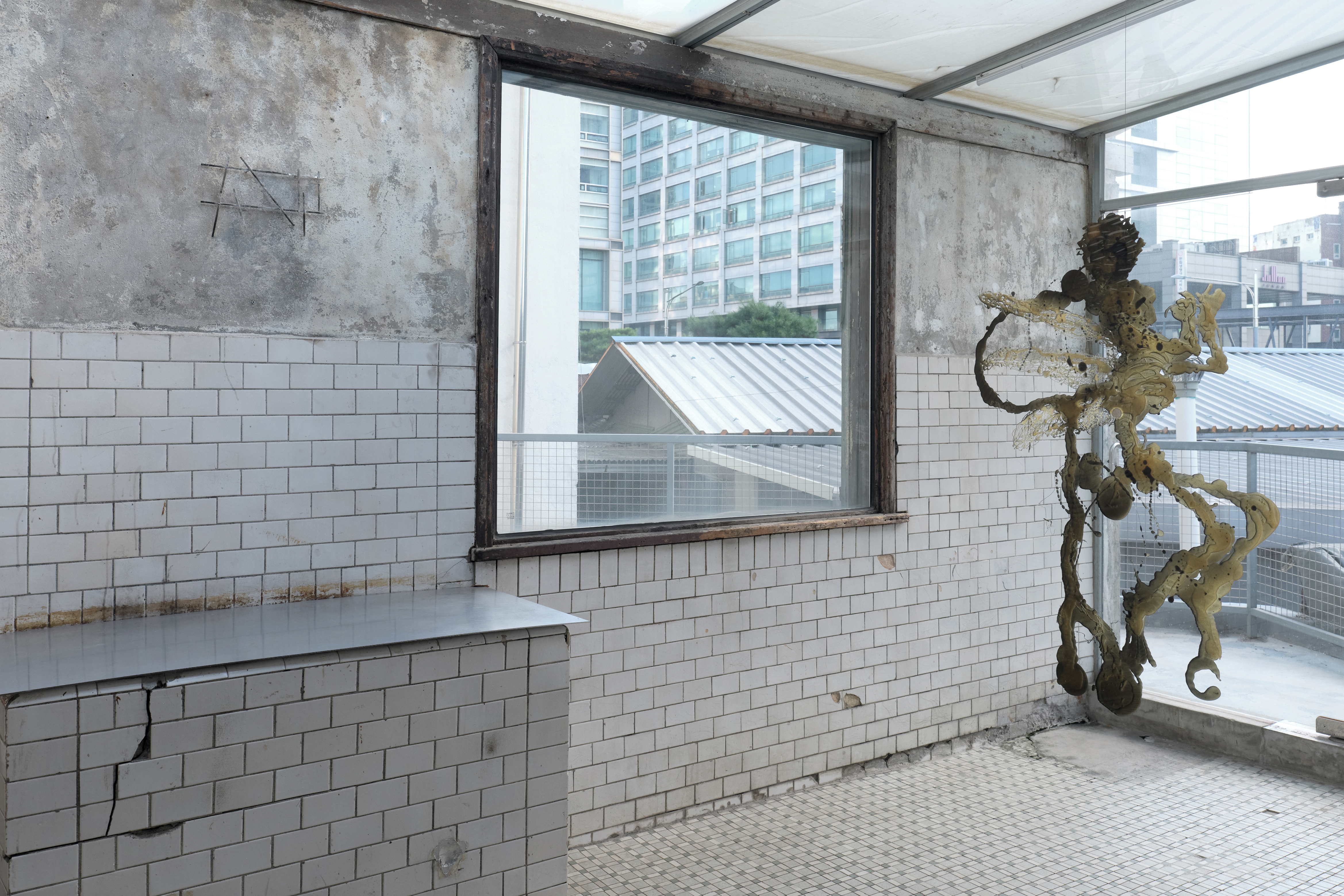
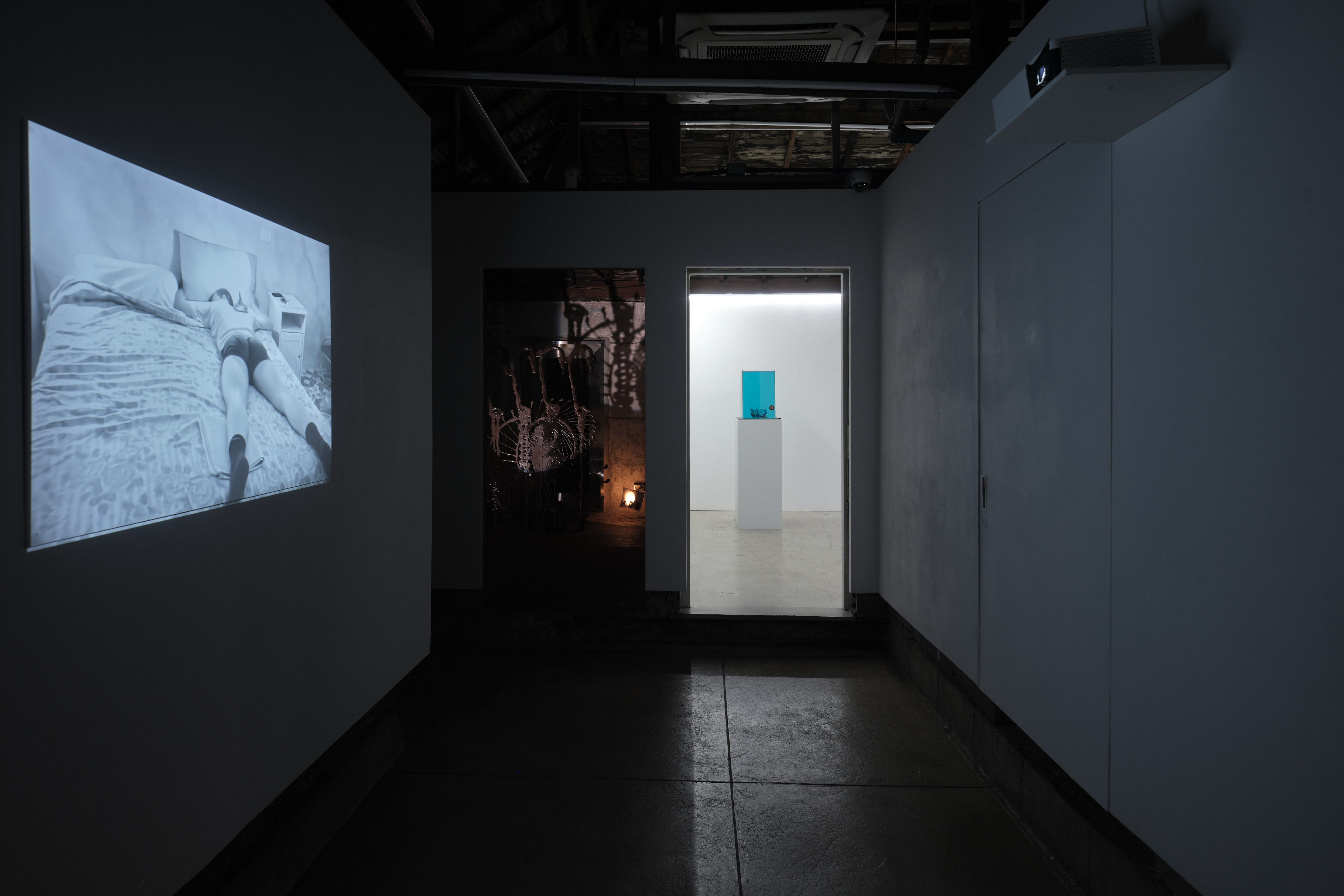
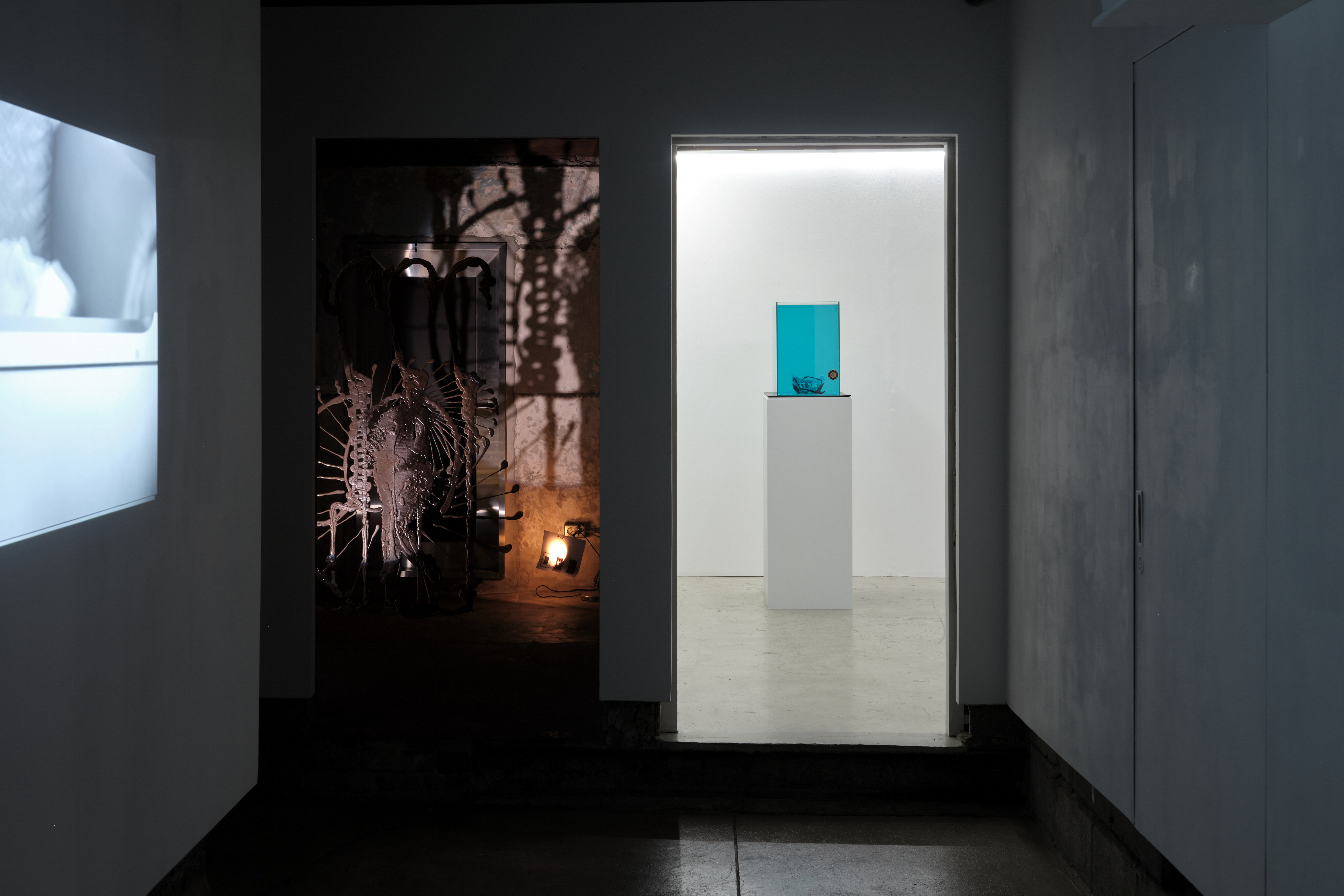
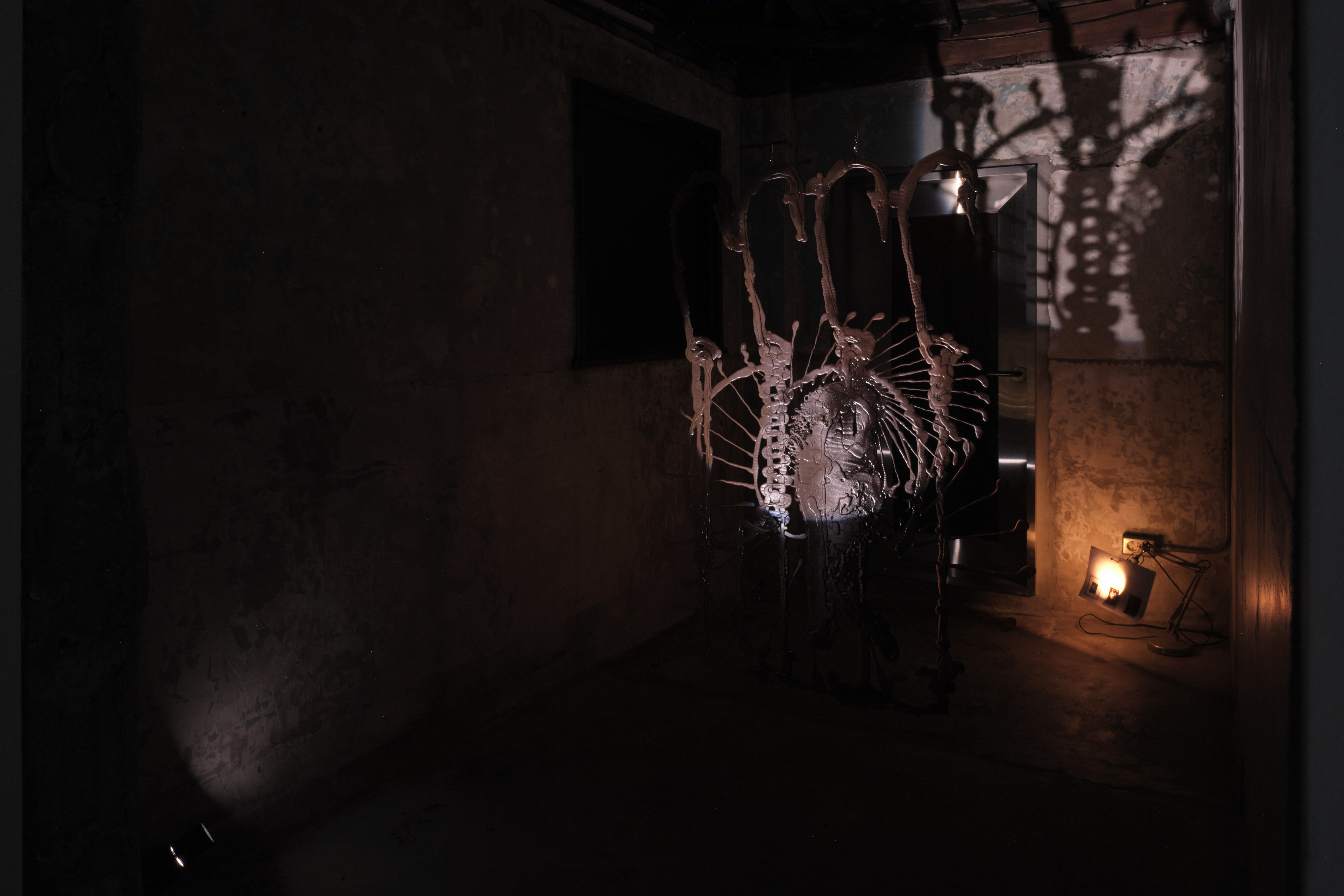
Hardy Hill scratches the surface of aluminium to expose the metal’s interior; Leonard Giller dismantles anti-theft magnets to reveal hidden structures. Sollee Kim raises sculptures once lying flat on the ground into vertical forms, reversing the depth and orientation of space—revealing what lay beneath and blurring the line between inside and out. Rosario and Simon distort and refract sightlines and scenery through dark glass structures formed by breath. Muyeong Kim leaves a void where water once stood, erasing the boundary between surface and interior. These works erase the centre and obscure the outlines of space, leaving form and meaning suspended in ambiguity. Arthur Marie removes focal elements from his paintings to destabilise the viewer’s gaze, while Mark installs vertical structures that redirect attention to the ground, denying access to the inner space. Henry Belden, in a video work of twin brothers recalling memories in the first person, dismantles the singular voice of narration and dislocates the position of presence itself. These works prompt a subtle disorientation, suggesting presence as something decentered and gently trembling.
These works do not offer a clear narrative or direct interpretation. Instead, they open up spaces for the

viewer’s gaze to dwell and for perception to linger—showing the intervals between. The pit opens up where seemingly nothing happens. But within that quiet, empty space, presence slowly surfaces without a centre, and suspended senses begin to stir again.
구덩이는 무언가가 사라진 자리다. 파인 땅, 비어 있는 흔적, 물이 고이지 않는 웅덩이처럼 중심은 없고 주변만 남는다. 우리는 흔히 사건이 중심에서 시작해 그로부터 바깥으로 퍼져나간다고 믿는다. 하지만 어떤 존재는 정반대의 방식으로 나타난다. 명확한 의미나 중심점 없이, 단지 사라진 자리와 남겨진 흔적을 통해서만 모습을 드러낸다. 존재는 스스로 완결되지 못하며, 언제나 무언가의 노출이나 틈, 부재를 통해 드러난다.
장 뤽 낭시는 '세계의 의미'에서 존재란 중심이 없는 '노출됨(exposition)'으로만 성립하고, 의미는 완전한 형상이 아니라 드러남의 '틈(intervalle)'에서만 발생한다고 말한다. 의미는 결코 고정되지 않고 늘 미끄러지고 어긋난다. 존재 또한 완성된 실체가 아니라 끊임없이 드러나려는 과정, 혹은 그런 드러남의 반복된 실패 속에서만 발견된다. 이 전시는 그런 존재의 드러남 방식을 좇는다. 참여 작가들은 각자 서로 다른 재료와 방식을 통해 중심을 비우고 표면을 절단하며 공간에 균열을 낸다.
하디 힐은 알루미늄 표면을 긁어 금속의 내부를 드러내고, 레너드 길러는 도난 방지용 자석을 해체해 숨겨진 구조를 노출시킨다. 김솔이는 바닥이었던 조각을 수직으로 세워 공간의 내부와 깊이를 뒤바꿔 놓는다. 이 과정에서 표면 아래 있던 숨겨진 영역이 나타나고 재료의 안과 밖은 서로 교차한다 로사리오와 사이먼은 숨을 불어 만든 어두운 유리 구조물을 통해 주변의 풍경과 시선을 왜곡하고 굴절시킨다. 김무영은 물이 사라진 자리에 빈 공간을 남겨 표면과 내부의 경계를 흐리게 만든다. 이 작업들은 뚜렷한 중심을 비워버리고, 공간의 윤곽을 희미하게 지워 형태와 의미를 모호한 상태에 둔다. 아서 마리는 회화에서 중심이 될 만한 요소를 제거해 시선을 불안정한 상태에 두고, 마크는 수직 구조물을 설치해 관람자의 시선을 바닥으로 향하게 만들어 내부로의 접근을 막는다. 헨리 벨든은 쌍둥이 형제가 1인칭 시점으로 기억을 회상하는 영상 작업을 통해 말하기의 중심을 해체하고, 존재의 위치를 불확정적인 상태로 흔들어 놓는다. 이 작업들은 존재가 안정된 중심을 잃고 미세하게 흔들리는 감각을 유도한다.
작품들은 명확한 서사나 직접적인 해석을 전달하지 않는다. 대신, 관람자의 시선이 머물 수 있는 공간과 감각의 경계를 열어 놓고, 그 사이의 틈을 보여준다. 구덩이는 아무 일도 일어나지 않는 듯한 공간에서 열린다. 그러나 그 조용한 빈 자리에서, 존재는 중심 없이 서서히 드러나고, 멈추었던 감각은 다시 미세하게 움직이기 시작한다.